THE BUYER'S GUIDE / CALIFORNIA
Sell Switchboards From Industrial Facility Decommissioning in California
Build a Lineup-by-Lineup Inventory
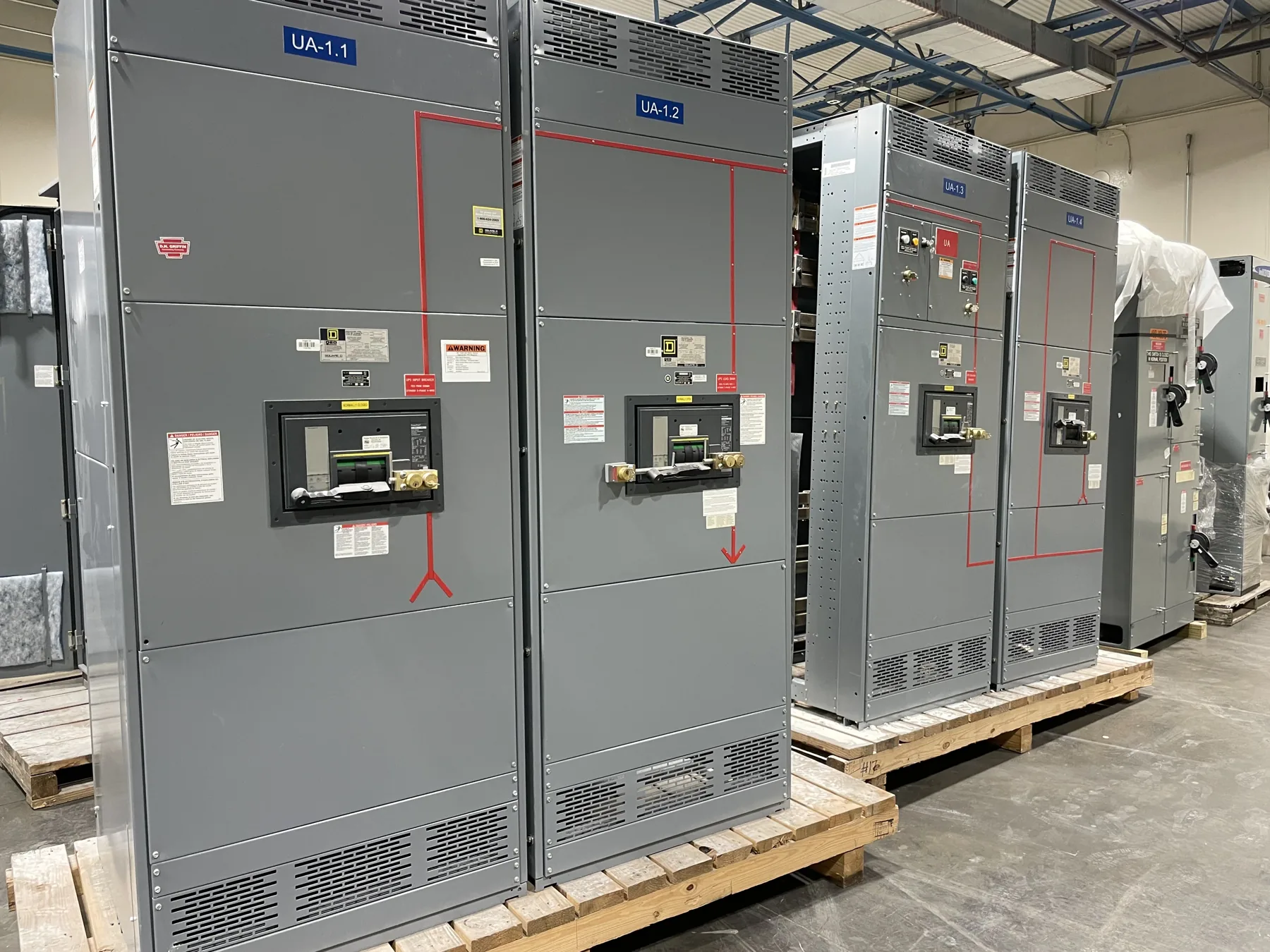
A decision to sell switchboards during an industrial facility decommissioning in California starts with defining the equipment lot. List each lineup separately and identify the plant area it serves, using facility labels or existing records where available. This is more useful than calling several assemblies “the switchboard” when their contents and release dates differ.
For every lineup, note visible manufacturer and model information and transcribe nameplate ratings as shown. If a plate cannot be read, state that instead of estimating. Clarify whether the proposed sale includes all sections or only selected portions, and identify any loose components separately so the scope does not imply they are attached.
A simple inventory can include section identifiers, known configuration details, and photographs of exterior labels. Existing drawings may help connect lineup sections, but do not treat an old drawing as confirmation of present contents without checking against available observations. Share what is known and label uncertain details plainly.
Explain Included Sections and Records
Switchboard lineups can be proposed as complete assemblies or as defined groups of sections. Describe which sections are included, which are excluded, and whether associated components are part of the same lot. Use existing labels and records to distinguish sections; avoid inventing internal components or assuming that visually similar cabinets have matching specifications.
Nameplate details help the buyer understand the stated ratings and equipment identity. Include only information visible on the plate or recorded in documents already available. If the nameplate is missing, damaged, or inconsistent with a schedule, flag the issue. Photographs can support a review, but they do not establish the condition of hidden or internal parts.
Ownership deserves equal attention to technical description. Confirm that the facility owner or authorized party can transfer the included switchboards, especially when a contractor or property owner is coordinating decommissioning. If title or sale authority remains unresolved, identify the affected lineup rather than representing it as ready for sale.
Coordinate Plant-Area Release Windows
Set out the release schedule by plant area and lineup, not only by the facility's overall shutdown date. One switchboard may be available while another must remain until a later project stage. For each group, state the planned release date or window and whether it is firm, provisional, or dependent on other decommissioning work.
Explain known sequencing requirements that could affect removal, such as continued use during a transition or access limited by work in another area. The buyer needs this context to review the proposed timing and logistics. Avoid promising a release date before it is approved by the project team, and update the request if the plan changes.
Existing records, including drawings, asset lists, or prior inspection reports, may help explain the lineup and its status. Sharing them is optional and does not require new testing. If there is little documentation, provide a concise description of what is visible and what remains unknown instead of delaying the request to create unsupported certainty.
Describe Access Without Handling Equipment
For each plant area, describe how a crew could reach the switchboard and move it toward loading. Useful facts include known doorway or aisle restrictions, level changes, overhead clearance limits, and whether access is shared with other work. A photograph of the route or a site plan can clarify constraints when those materials are available.
Do not disconnect, dismantle, or handle electrical equipment yourself. Electrical work and disconnects belong to qualified personnel following applicable safety procedures. The buyer handles rigging and logistics, including crane, rigging, disconnects, loading, freight, and hauling, at its expense. Share site access rules and known constraints so these arrangements can be reviewed.
No test is required from the seller. Existing condition notes or inspection records may be included as information, but do not energize equipment or open compartments to obtain details. If a condition is unknown, say so. Clear boundaries protect the accuracy of the request and leave electrical handling to qualified personnel.
Make the Quote Request Actionable
A useful quote request brings together the lineup inventory, included sections, visible nameplate ratings, ownership status, plant-area release windows, and access information. Attach available exterior photographs and relevant records, then identify any gaps or conflicts. This gives the buyer a specific scope to review instead of a broad inquiry about surplus switchboards.
Describe the known condition and dismantling status without presenting guesses as facts. State whether a lineup remains installed, has been partly dismantled, or is in another observed state. Do not arrange testing to improve the request. A quote depends on review of the equipment and stated logistics, so an exact price or timing cannot be promised beforehand.
The business buys used and surplus switchgear, including equipment from industrial facility decommissioning, makes cash offers, and pays upfront. Send the available details and request a quote review for the identified lineups. The business handles removal logistics at its expense, and the seller does nothing but get paid once the arrangement is reviewed.