THE BUYER'S GUIDE / CALIFORNIA
Sell Generator Breaker Switchgear From Power Plant Teardown in California
Power plant teardown: we handle the work
We buy electrical switchgear out of shut-down power plants. Crane, rigging, disconnects, loading, freight and hauling are on us. The seller does nothing but get paid; qualified personnel handle the electrical work.
Describe the Equipment Without Guessing Its Value
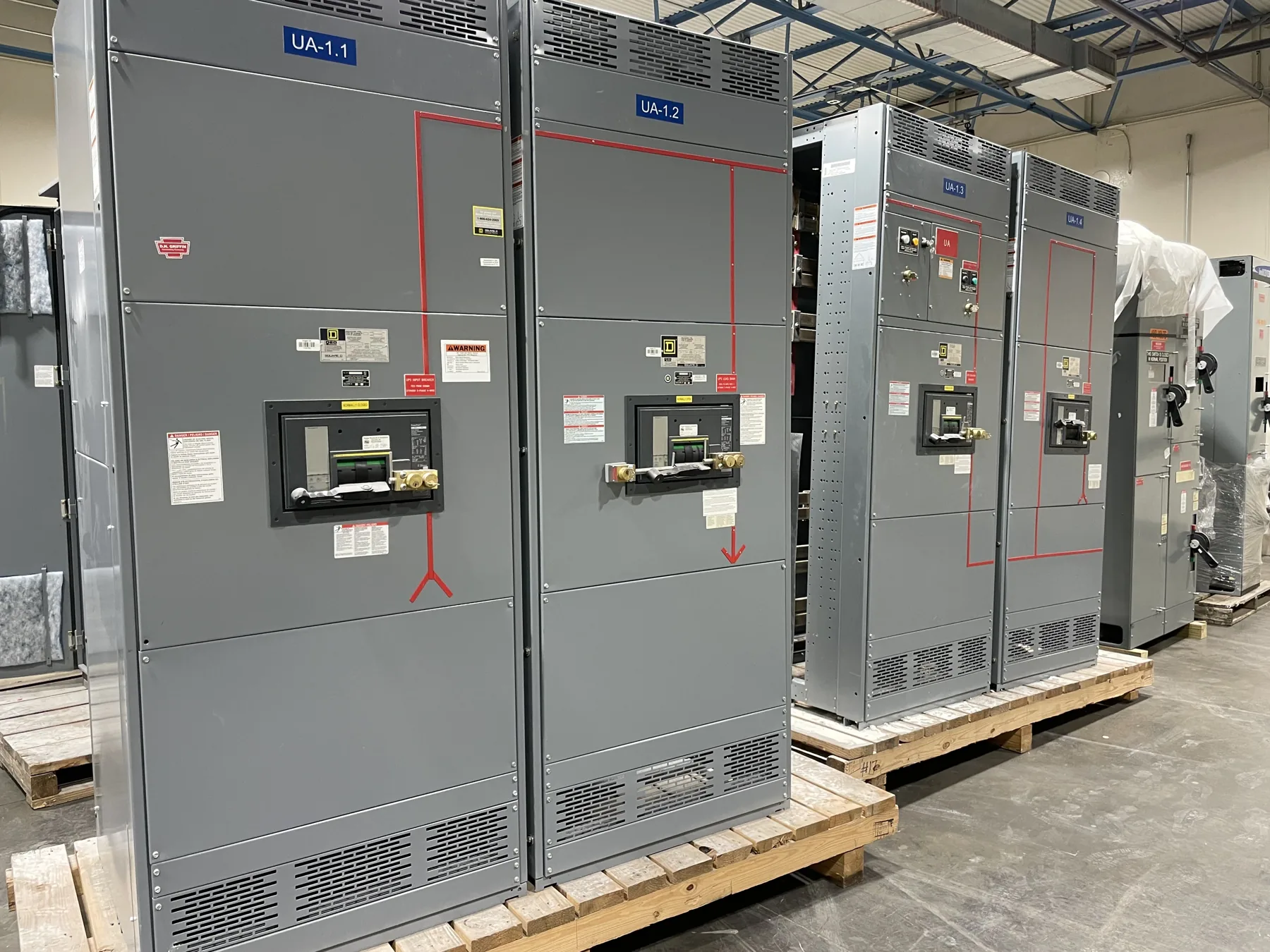
A useful description of generator breaker switchgear starts with what is visibly identified, not an assumption about what the equipment might be worth. For a California power plant teardown, name the equipment as the owner understands it and share readable labels or records that are already available. A quote depends on reviewing those details and the equipment being offered.
Generator breaker switchgear may be part of a larger lineup or associated with generator equipment, but those boundaries should not be presumed. Explain which breaker or sections are included and whether the generator itself is part of the proposed sale. If the scope is uncertain, say so; clarifying the boundary helps prevent a quote review from treating separate equipment as one package.
The buyer purchases used and surplus switchgear, including equipment from shut-down power plants, and makes cash offers. A description is a starting point, not a guaranteed valuation or a promise that every item will be purchased. No seller testing is required. Existing records and safe exterior or nameplate views can help with review, but do not approach energized equipment or open an assembly to obtain information.
Identify Breakers, Lineup Labels, and Scope
Share the breaker and lineup labels as they appear on existing documentation or safely visible nameplates. Useful details may include manufacturer, model, catalog or serial identifiers, voltage class, current ratings, and other legible markings. Do not fill gaps by estimating or transcribing uncertain characters as facts. If a label is unreadable, simply note that it cannot be confirmed from the information available.
Clarify the assembly boundaries in practical terms: identify the breaker or lineup sections being offered and distinguish them from adjacent equipment that will remain. If generator equipment is included, describe it separately rather than assuming the switchgear description covers it. A simple equipment schedule, drawing, or decommissioning inventory can convey scope when already available, without requiring new engineering work.
Voltage class is relevant because the buyer purchases switchgear across all voltage classes, while equipment configuration and scope help determine what is being reviewed. Share condition information only as known, such as whether the equipment was in service, stored, or removed during teardown. If operating history or present status is unknown, say that; no testing or opening is needed to complete a quote request.
Share Condition and Safe Reference Material
Condition details help distinguish observed facts from uncertainties. You can describe visible exterior condition, whether the equipment was recently in service or has been stored, and any known missing components or incomplete sections. Avoid conclusions about internal condition unless supported by existing records. The buyer does not require the seller to test the breakers or verify electrical performance.
Existing photographs may be useful when they show safely accessible exterior views or readable nameplates. They are optional, and no photograph is needed if obtaining one would mean approaching energized equipment, entering a restricted area, removing covers, or taking an unsafe position. Never open switchgear to photograph its interior or connections. Qualified personnel should handle electrical equipment and any disconnects under applicable safety procedures.
Available documents can also help explain the proposed scope, including an equipment list, teardown inventory, or drawings already held by the owner. Do not delay a request to create documents that do not exist. If condition, labels, or configuration cannot be confirmed, make that clear. A transparent account of what is known gives the buyer a sound basis for review without turning information gathering into a testing obligation.
Coordinate Access Around the Teardown
For logistics review, share the California location where the switchgear is situated and the access details the owner knows. Useful context can include whether the equipment is indoors or outdoors, whether a loading area is reachable, and any known site access limits. These details help the buyer consider how the equipment can be handled, but the seller does not need to design a rigging plan or arrange a carrier.
If a teardown is underway or planned, provide only the timing information available, such as an expected removal window or a date by which the space needs to be cleared. Do not present an uncertain schedule as fixed. Access planning may depend on the equipment’s position, the route to loading, and site rules, so concise and accurate observations are more useful than unsupported assumptions.
If a purchase is agreed, the buyer handles and pays for crane service, rigging, electrical disconnects, loading, freight, and hauling. Electrical handling and disconnects belong to qualified personnel following applicable safety procedures; the seller should not perform electrical work or approach energized equipment. The seller is not expected to arrange removal. In the agreed purchase, the seller’s role is to provide the information needed for review and get paid.
Request a Quote With Clear Next Steps
To request a quote for generator breaker switchgear from a California power plant teardown, describe the equipment, identify the labels you can read, explain which breaker and lineup sections are included, and state whether generator equipment is also offered. Add the location, known condition, and any safe exterior or nameplate photographs already available. If a detail is unknown, identify it as unknown rather than guessing.
Include relevant teardown timing and access information when you have it, along with existing inventories or drawings that clarify the assembly boundaries. The buyer will review the offered equipment and information before deciding whether to make an offer. An offer is not a guaranteed valuation, and requesting one does not itself trigger payment. No testing is required to seek a review or quote.
If the purchase is agreed, payment is upfront. The buyer also handles the crane, rigging, qualified electrical disconnects, loading, freight, and hauling at its expense, so the seller does not have to arrange those services. Keep the request focused on what is actually being offered and safely known. That gives the buyer a clearer basis to review the equipment and discuss the next step.