THE BUYER'S GUIDE / CALIFORNIA
Sell Motor Control Centers From Food Processing Plant Decommissioning in California
Separate Known Details From Open Questions
When a food processing plant is being decommissioned, you may know which motor control centers are being released before every condition detail or removal date is settled. To sell motor control centers from food processing plant decommissioning in California, start with what can be confirmed: the lineup, included sections, available labels, and release status. Unknowns can be identified without delaying an inquiry.
The equipment may have operated in areas with washdown or may have been exposed to moisture or corrosive conditions, but do not assume that exposure occurred. Report what facility records or visible observations support, and state when the history is unknown. A careful distinction gives a reviewer useful context without turning a possibility into a claim about the MCC.
A quote depends on reviewing the equipment. The business buys used and surplus switchgear from decommissioned facilities, makes cash offers, and pays upfront when a purchase is agreed. Sellers are not required to test equipment, and they do not need to resolve every open question before requesting a review.
Describe the MCC Lineup and Buckets
Begin with the number of motor control center lineups or sections being considered and whether the release includes complete lineups or selected portions. Use the names or identifiers already in plant records where available. A room or line designation can help connect an MCC to its operating area, while clear boundaries prevent unrelated cabinets from being included by mistake.
Bucket information is useful when the count and identification are known. Note approximate quantities, labels, or descriptions already recorded, and indicate whether buckets remain installed or are listed separately. Do not remove buckets or open electrical compartments to create an inventory. If details cannot be confirmed safely from existing records, say that the information is unavailable.
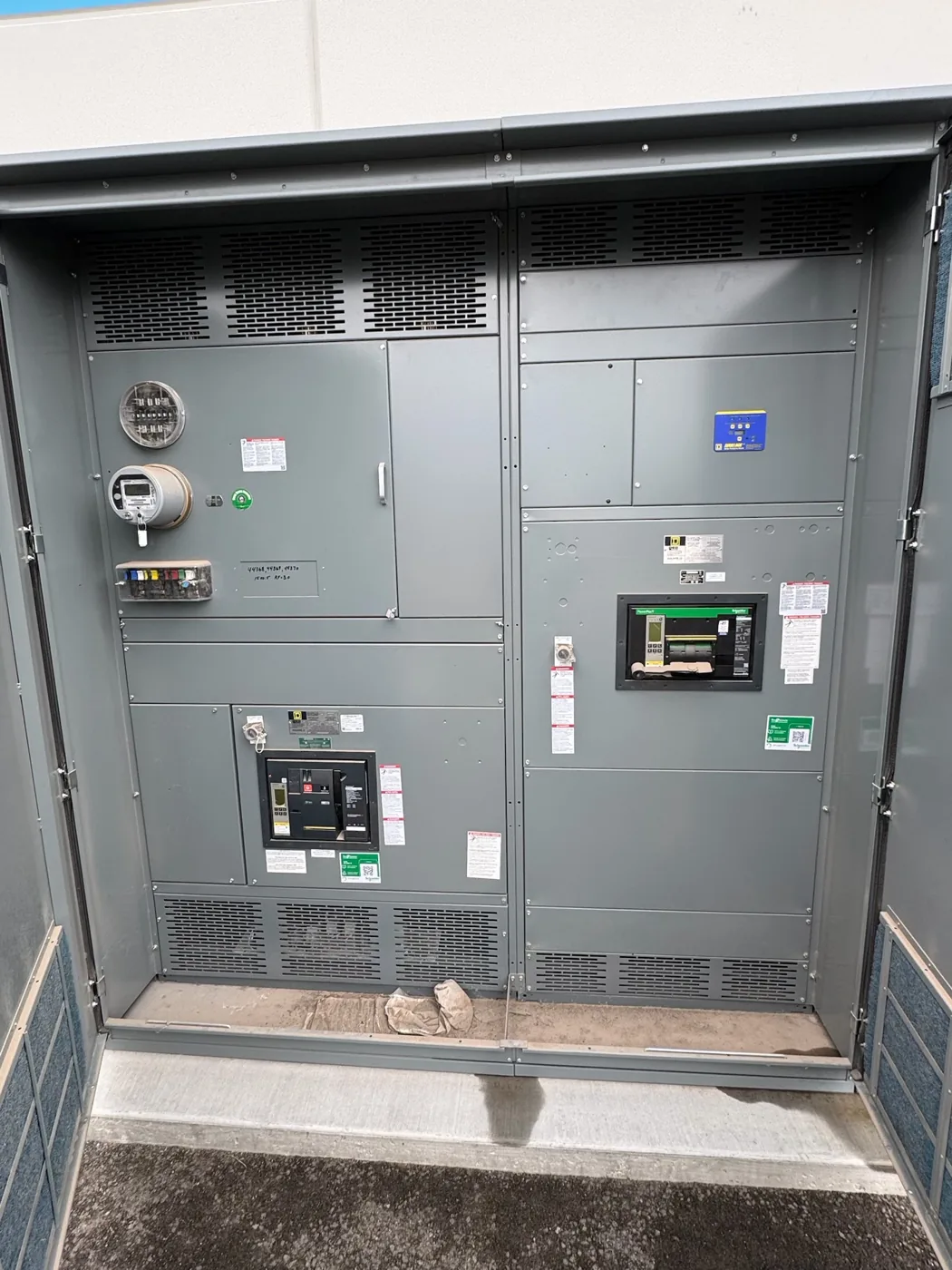
Share readable manufacturer, model, and nameplate ratings when available, using photographs or copied records. Do not infer a rating from the equipment's size or former process. If labels are missing, damaged, or difficult to read, state that plainly. A reviewer can work from the available information and ask for clarification if a particular distinction matters.
Explain Condition and Exposure Carefully
Food processing facilities can have different operating and cleaning practices across areas, so condition should be described for the actual equipment rather than assumed from the plant type. If washdown exposure is known, explain the basis, such as an existing area record or a documented operating practice. If it is not known, leave the point open rather than labeling the MCC as washdown-rated.
Report visible corrosion, staining, damaged enclosures, missing covers, or other observable conditions only when those observations are available and safe to make. Separate observation from interpretation: a discoloration may be visible, while its cause may be unknown. Any existing inspection or maintenance records can provide context, but the seller does not need to arrange testing or produce new technical conclusions.
The purpose of condition information is to support an informed review, not to certify the equipment. Do not energize, open, disconnect, or test an MCC for a quote. Electrical handling and disconnects must be performed by qualified personnel following applicable safety procedures. The buyer handles this work as part of the purchase logistics.
Coordinate Release, Access, and Removal
Include the plant's expected release schedule, even if it is a range or depends on other decommissioning work. Identify which MCC lineups are available now, which will be available later, and what is still subject to approval. This helps separate a request for review from authorization to enter or remove equipment.
Access information can include the electrical room location within the facility, known travel routes, door or aisle limitations, staging possibilities, and any site procedures that affect a removal visit. Share only confirmed details and explain what requires coordination. The seller is not expected to disconnect, dismantle, or load the MCC before the buyer's work is arranged.
The buyer handles all rigging and logistics, including crane and rigging requirements, disconnects, loading, freight, and hauling, at its expense. Electrical work belongs to qualified personnel following applicable safety procedures. If the facility uses a release approval or authorized-contact process, identify how that process works so removal can be coordinated when the equipment is cleared.
Send a Practical Quote Request
For a useful first request, summarize the MCC lineup, included sections and buckets, known nameplate details, observed condition, and plant release schedule. Add any known washdown or corrosion exposure, while clearly marking uncertain history. Existing asset records and photographs are helpful, but a complete inventory or test report is not a prerequisite.
Provide the California location at a general level and explain any access or removal constraints that are already known. If the schedule, bucket count, or condition remains uncertain, say what information is pending and whether it might be available later. This lets the buyer review the actual scope without treating estimates as confirmed facts.
The buyer reviews the equipment before making an offer; there is no guaranteed valuation or promised price in advance. The business buys all voltage classes, makes cash offers, and pays upfront when a purchase is agreed. It manages and pays for the removal logistics. The seller's actionable role is to identify what is released, share known details, and get paid.