THE BUYER'S GUIDE / CALIFORNIA
Sell Switchboards From Data Center Decommissioning in California
Data center decommissioning: we handle the work
We buy electrical switchgear out of decommissioned data centers. Crane, rigging, disconnects, loading, freight and hauling are on us. The seller does nothing but get paid; qualified personnel handle the electrical work.
Decide What Is Surplus
If a data center project is releasing switchboards, the first decision is which equipment is genuinely surplus and when it can be made available. Selling switchboards from data center decommissioning in California begins with a clear boundary between assets being retired and equipment still needed for operations, backup, or a later project phase.
A release plan can identify rooms, lineup names, or asset references without assuming every section is ready at once. If the facility is being decommissioned in stages, describe those phases and distinguish equipment available now from equipment expected later. That distinction matters because a buyer needs to review the actual assets and understand when access may be possible.
Do not treat a planned shutdown as proof that all equipment is disconnected or safe to handle. State what is known about operational status and leave electrical work to qualified personnel following applicable safety procedures. The buyer handles disconnects and other removal logistics; the seller is not expected to perform testing.
Describe Lineups and Condition
For each switchboard lineup, share the number of sections if known, any lineup or asset labels, and the manufacturer and readable nameplate information. Include ratings that are actually shown or recorded, such as voltage and amperage, without inferring missing values. These details help a reviewer understand how the listed sections relate to one another.
Explain condition in observable terms: installed or already removed, stored or in place, and any visible damage or missing components that you can identify safely. If operating history or maintenance records are unavailable, say that plainly. A buyer may review existing documentation, but the seller does not need to test the switchboards or establish performance.
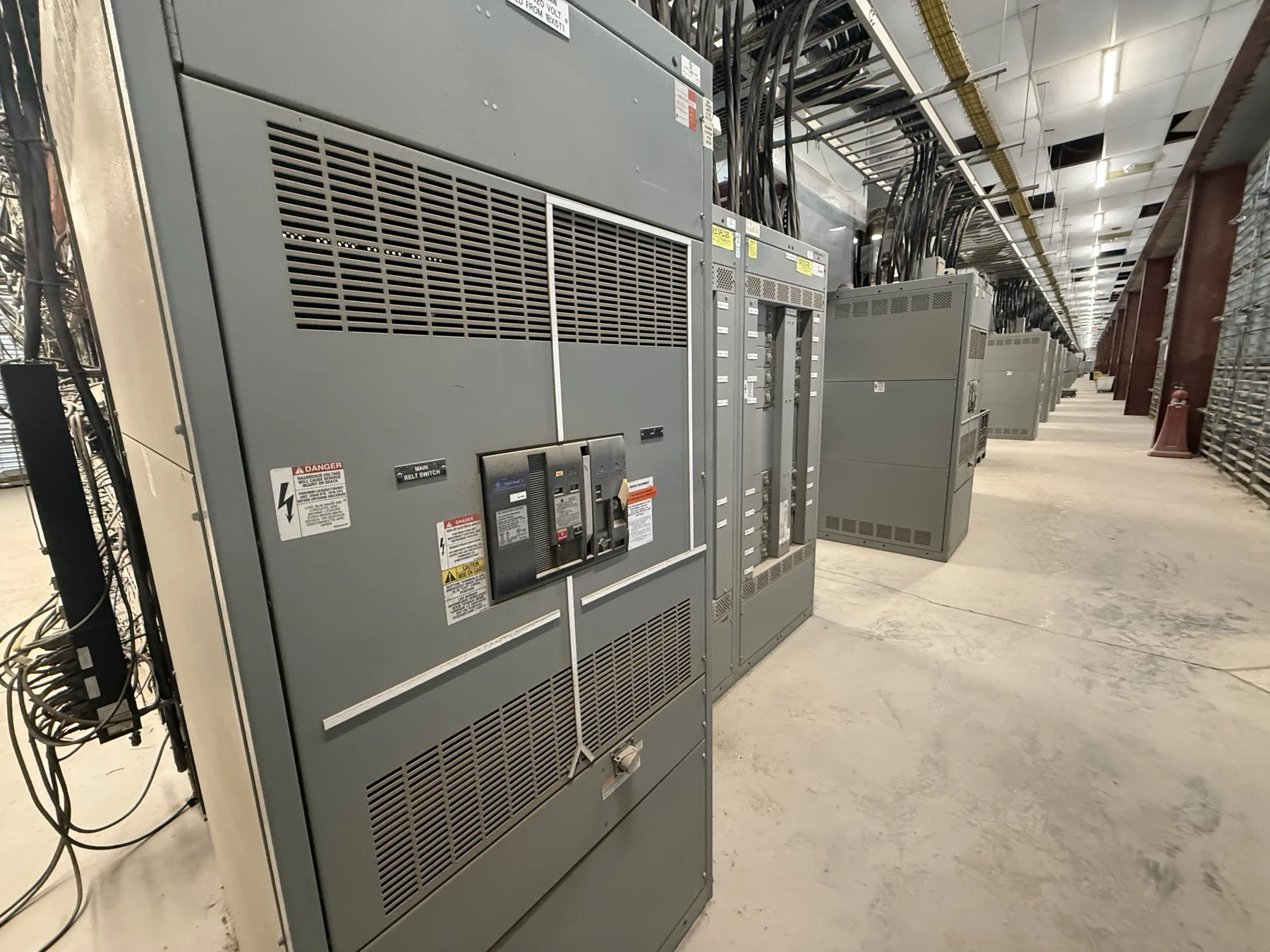
Photographs can show the overall lineup, section arrangement, exterior condition, and nameplates. Take only images that are safe and permitted under site rules; do not open energized equipment or enter restricted areas. If labels are obscured or unavailable, note that limitation and provide other existing asset records for review.
Plan Releases Around Operations
A data center may have equipment or rooms that remain in use while other assets are released. Explain access boundaries, any required coordination with site operations, and whether work must occur in a sequence. Share only confirmed restrictions, such as escorted access or a designated loading window, rather than guessing how a facility will manage removal.
Release phases should be described in practical terms: which sections are available, which remain in service, and what event or approval makes later sections accessible. This helps the buyer evaluate a realistic removal plan and reduces confusion between an asset listed for sale and one that cannot yet be reached. Avoid promising a release date unless the responsible site team has confirmed it.
The business handles rigging and logistics, including crane, rigging, disconnects, loading, freight, and hauling at its expense. Electrical handling and disconnects are performed by qualified personnel following applicable safety procedures. Where operations continue nearby, those professionals need the site’s coordination and boundaries to plan the work responsibly.
Make Access Information Useful
Describe the route from the switchboard area to the loading point, including known door clearances, turns, ramps, stairs, overhead constraints, and any limits on equipment movement. Photos or a simple existing floor plan may clarify the route, but do not measure or enter an area if doing so would violate site rules or create a safety concern.
Identify the loading location and any known restrictions for vehicles or crane access. If the site requires advance scheduling, permits, escorts, or coordination with an operations team, mention the requirement and who can confirm it. These points do not establish a fixed removal plan; they give the buyer information to review alongside the equipment and release schedule.
If several lineups are in different rooms or buildings, label each location consistently in the inventory and photos. A small amount of organization can prevent a reviewer from confusing one group of sections with another. The seller does not arrange or pay for removal logistics; the buyer handles them, including hauling and freight.
Request a Switchboard Quote
A focused quote request should identify the California location, switchboard manufacturer, lineup sections, available nameplate details, known condition, and quantities or asset labels. Include photographs and existing schedules where available. Clearly mark what is confirmed, what is estimated, and what remains unknown, so the review is based on accurate information rather than assumed specifications.
Add the release phases and access context: which equipment is available, what remains operational, the expected sequence if known, and the route to loading. You are not required to test equipment or arrange disconnects. A quote depends on the buyer’s review of the switchboards and the information provided, so do not assume a value or exact response timing.
If the equipment is accepted for purchase after review, the business makes a cash offer and pays upfront. The seller does nothing but get paid, while the buyer handles rigging, disconnects, loading, freight, hauling, and related logistics at its expense. Send the available facts and request a review-based quote; follow up with records or safe observations when asked.