THE BUYER'S GUIDE / CALIFORNIA
Sell Control Room Electrical Panels From Power Plant Teardown in California
Power plant teardown: we handle the work
We buy electrical switchgear out of shut-down power plants. Crane, rigging, disconnects, loading, freight and hauling are on us. The seller does nothing but get paid; qualified personnel handle the electrical work.
Identify Panels Using Information Already Available
A control room can contain multiple electrical panels with different purposes, and their appearance alone may not identify what is included in a sale. If you plan to sell control room electrical panels from a power plant teardown in California, begin with labels and records already available. A panel schedule, asset list, drawing, or exterior nameplate view may clarify which specific panels are being offered.
Record the panel identifiers as written in existing documentation, along with the number of panels and their general dimensions if known. Do not infer that a panel is part of a particular control system from its location or appearance. If the related system or ownership is uncertain, state that uncertainty. The buyer needs to understand the offered equipment, not a speculative description of the plant’s controls.
You do not need to open a panel, inspect its interior, or test it to make an inquiry. Never approach energized equipment to collect information. Existing, safely obtained exterior photographs are optional; a written identifier and a description from available records may be sufficient to begin review. Do not take pictures if doing so would require unsafe access or interference with ongoing site work.
Define the Equipment Group and Condition
Explain whether the offer concerns individual panels, a set of panels, or panels along with other equipment. Include the quantity and any known assembly boundaries, such as whether associated cabinets or sections are included. Do not assume that controls, wiring, or other systems belong to the seller merely because they sit nearby. Clear boundaries help the buyer review the actual proposed group rather than an entire control room.
Available records may identify manufacturer, model, ratings, or other specifications. Share only information that can be confirmed from a label or record; do not supply guessed nameplate details. Explain condition from known history, such as whether the panels were in service before shutdown, removed, or stored. Mention known missing items or visible exterior concerns without attempting to inspect behind covers.
A buyer’s offer depends on review of the equipment and the information provided. Seller testing is not required, and the seller should not arrange electrical work to establish condition. If the equipment history is incomplete, simply say what is known and what is not. That candor is more useful than presenting uncertain details as facts, and it allows the buyer to decide what additional information, if any, would help.
Provide Useful Context for Review
The control room’s location can matter for planning, but it does not establish the panels’ value or technical function. Share the known building or room location, the floor level if applicable, and whether the panels remain installed or have already been removed. A general description helps distinguish this equipment from panels elsewhere in the facility without requiring the seller to map the entire plant.
Ownership and authority to discuss the panels should be clear. Existing asset records, a teardown inventory, or other available documentation may help establish what is being offered. If a control system, cabinet, or neighboring equipment is excluded, state that explicitly. If the boundary has not been confirmed, identify it as an open question rather than making claims about system ownership.
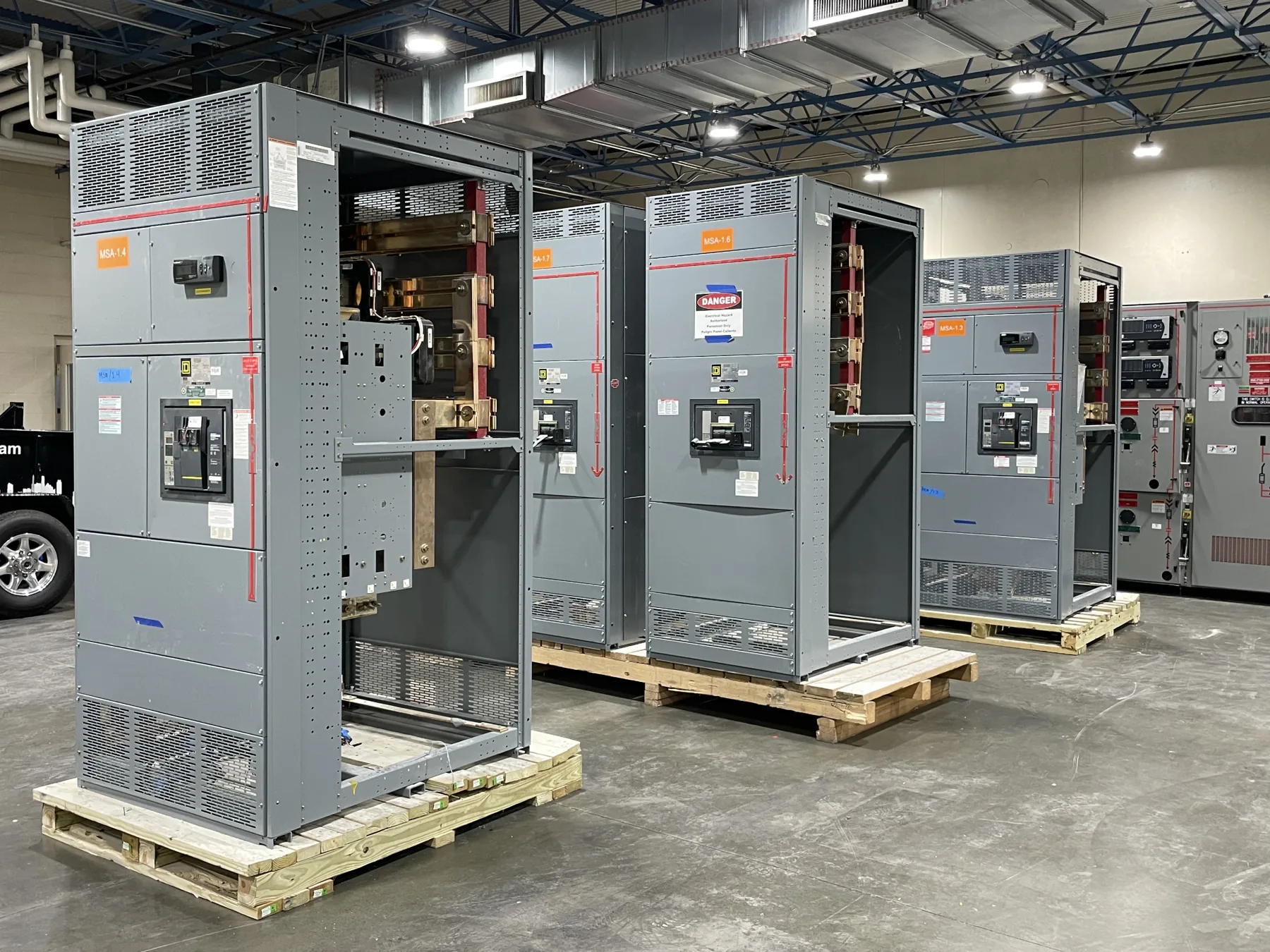
Describe condition and access only to the extent known. A safe exterior view or existing photograph may help show panel count and general appearance, but no photo is necessary if it cannot be obtained safely. Do not remove covers or approach energized equipment. Qualified personnel perform electrical work and follow applicable safety procedures; a quote inquiry does not require the seller to do either.
Coordinate Removal Without Seller Arrangements
If the panels remain in the control room, share known access constraints that could affect removal: room or floor level, doorway or corridor limits, and the route to a loading area, if known. The buyer does not need a speculative rigging plan. If measurements or site rules are unavailable, say so. This makes clear what is confirmed and what would need coordination if a purchase is agreed.
The buyer handles and pays for crane, rigging, electrical disconnects, loading, freight, and hauling if the purchase proceeds. The seller is not expected to arrange or pay for those services. Electrical disconnects and equipment handling are performed by qualified personnel following applicable safety procedures. Do not approach energized panels, attempt a disconnect, or open enclosures in preparation for a sale.
Timing information can be limited to what the owner or site contact has already communicated, such as a known teardown window or access restriction. No particular schedule should be assumed from the fact that a plant is being decommissioned. If access details are pending, say that. The buyer can consider the information during review without asking the seller to make commitments that the site has not authorized.
Make a Clear Quote Request
A useful request identifies the control room panels, their quantity and known labels, what is included, and their current location in California. Add any available records, known condition details, and safe exterior photos if readily available. State unresolved questions directly, particularly around panel boundaries or associated equipment. Do not test the panels, open them, or obtain images through unsafe access just to complete an inquiry.
The buyer reviews the specific equipment before making an offer, so a request does not guarantee a price, eligibility, or exact timing. The business buys used and surplus switchgear, including equipment from decommissioned data centers and shut-down power plants, and buys all voltage classes. The review remains specific to the panels offered; general descriptions of a facility cannot replace information about the actual equipment.
If a purchase is agreed, payment is upfront, but making an offer by itself does not trigger payment. The buyer takes responsibility for the removal logistics and associated costs, including qualified electrical disconnects and transportation. Send the information already available, explain what is unknown, and ask for a review of the panels as presented.