THE BUYER'S GUIDE / CALIFORNIA
Sell 800-Amp 600-Volt Electrical Equipment in California
Start With Reliable Equipment Details
Begin by sharing the available information about the existing 800-amp, 600-volt electrical equipment; the buyer handles freight if a purchase is agreed. A buyer can review its possible fit more meaningfully when the ratings are supported by a nameplate or reliable facility records rather than a remembered description.
The stated ratings should be confirmed separately: 800 amps and 600 volts. Also describe the equipment type, such as switchgear, a switchboard, or another assembly, only when you know what it is. Do not infer a type from its general appearance or from the way a former operator referred to it.
A quote depends on reviewing the equipment and the information available; the stated ratings alone do not establish value or purchase eligibility. For sellers looking to sell 800-amp 600-volt electrical equipment in California, a clear, factual description is a practical first step, not a guarantee of an offer.
Describe Configuration and Quantity
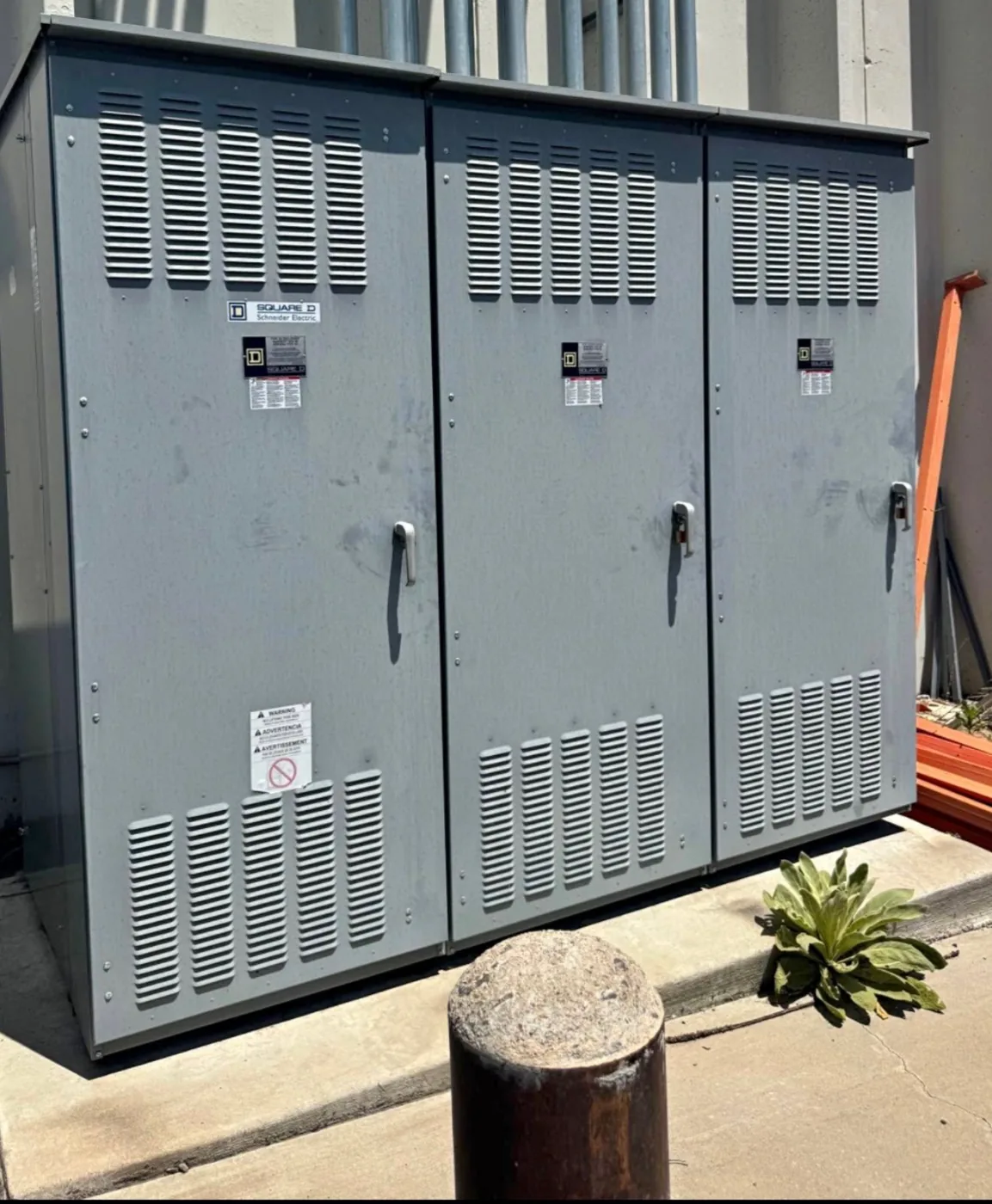
Manufacturer information can help distinguish one assembly from another, so share the name shown on the nameplate or in reliable records when available. Give the quantity and describe how the equipment is arranged, including whether it is one lineup, several sections, or separate pieces, if that is known.
Configuration matters because a single identified section may be different from a complete assembly, and a group of pieces may have been modified over time. Share what records say about the current arrangement and mention any known changes. If you are unsure whether components belong together, say so rather than guessing.
Useful information may include a model or catalog reference, approximate dimensions, and existing documentation, if readily available. These details are requests for information, not a demand to dismantle or test anything. The buyer reviews what can be shared and may ask follow-up questions before deciding whether to make an offer.
Explain Installation and Condition Carefully
Say whether the equipment is installed or stored, and describe its general visible condition without approaching an unsafe area. If it is in a facility awaiting decommissioning, indicate whether it remains in place and what is known about the removal schedule. If it is stored, explain where it sits and whether access is known.
Do not assume equipment is energized or de-energized. If its electrical status is uncertain, report that uncertainty. Never approach or open equipment to check its interior, connections, or condition. Electrical handling and disconnects belong to qualified personnel following applicable safety procedures; the buyer handles that work as part of the logistics.
Testing is not required from the seller. Existing records, prior descriptions, or safely visible exterior and nameplate information can help with review. Optional photographs should only show views that are already safe to obtain; no photograph is needed if getting one would require approaching equipment or entering an unsafe area.
Plan Removal Without Taking On the Work
Access information helps the buyer understand the removal logistics. Share what is known about the equipment’s location within the facility, available loading access, building constraints, and any known crane or rigging considerations. You do not need to arrange a crane, disconnects, loading, freight, or hauling yourself.
The buyer handles and pays for rigging and logistics, including crane work, qualified electrical disconnects, loading, freight, and hauling. That division is useful when planning a facility change: sellers can explain the circumstances and access they know, while the buyer coordinates the work. Do not attempt electrical work or move the equipment yourself.
If a purchase is agreed, payment is upfront. An offer alone does not trigger payment, and neither payment nor a removal plan should be assumed before the equipment has been reviewed and the purchase agreed. Share any known timing constraints or site-access procedures so the buyer can consider them while assessing the equipment and logistics.
Request a Review and Quote
To request a quote, provide the equipment description, nameplate or records confirming both ratings, manufacturer if known, quantity, configuration, and whether it is installed or stored. Add the location in California and the access details you can safely share. Explain which information is documented and which points remain uncertain.
A concise account of decommissioning plans, visible condition, and available records can help clarify what is being offered. Do not test the equipment, open it, or obtain photographs unsafely. The buyer may ask questions to complete its review; a quote depends on that review and is not guaranteed by a description or an initial offer discussion.
The business buys used and surplus switchgear, including equipment from decommissioned data centers and shut-down power plants, and buys equipment across all voltage classes. If the purchase is agreed, the seller is paid upfront and the buyer handles the removal logistics at its expense. The seller’s role is to share available information and, after agreement, get paid.