THE BUYER'S GUIDE / CALIFORNIA
Sell 1,000-Amp 208-Volt Switchboards in California
Use the Decommissioning Window Well
A facility change can leave a 1,000-amp, 208-volt switchboard in place while other equipment is being removed or retained. Start a review with what the facility already knows: whether the switchboard is installed or stored, whether it is included in a decommissioning plan, and what access arrangements are documented.
For someone seeking to sell 1,000-amp 208-volt switchboards in California, timing and equipment identity are both relevant. Explain whether the assembly is expected to remain in service until a planned change or has already been taken out of use. Do not infer its electrical status from the project schedule; report only what is known.
A decommissioning plan may affect when the equipment can be accessed, but it does not establish its value or guarantee a purchase. A buyer reviews the equipment and available information before making an offer. Share the project context to help that review, without treating a future removal date as an agreed pickup or payment date.
Confirm the Switchboard Ratings
Use the actual nameplate or reliable records to confirm that the switchboard is rated 1,000 amps and 208 volts. Ratings can be remembered incorrectly or confused with adjacent equipment, so identify the source of the figures. If only one rating is confirmed, make that clear instead of presenting both as certain.
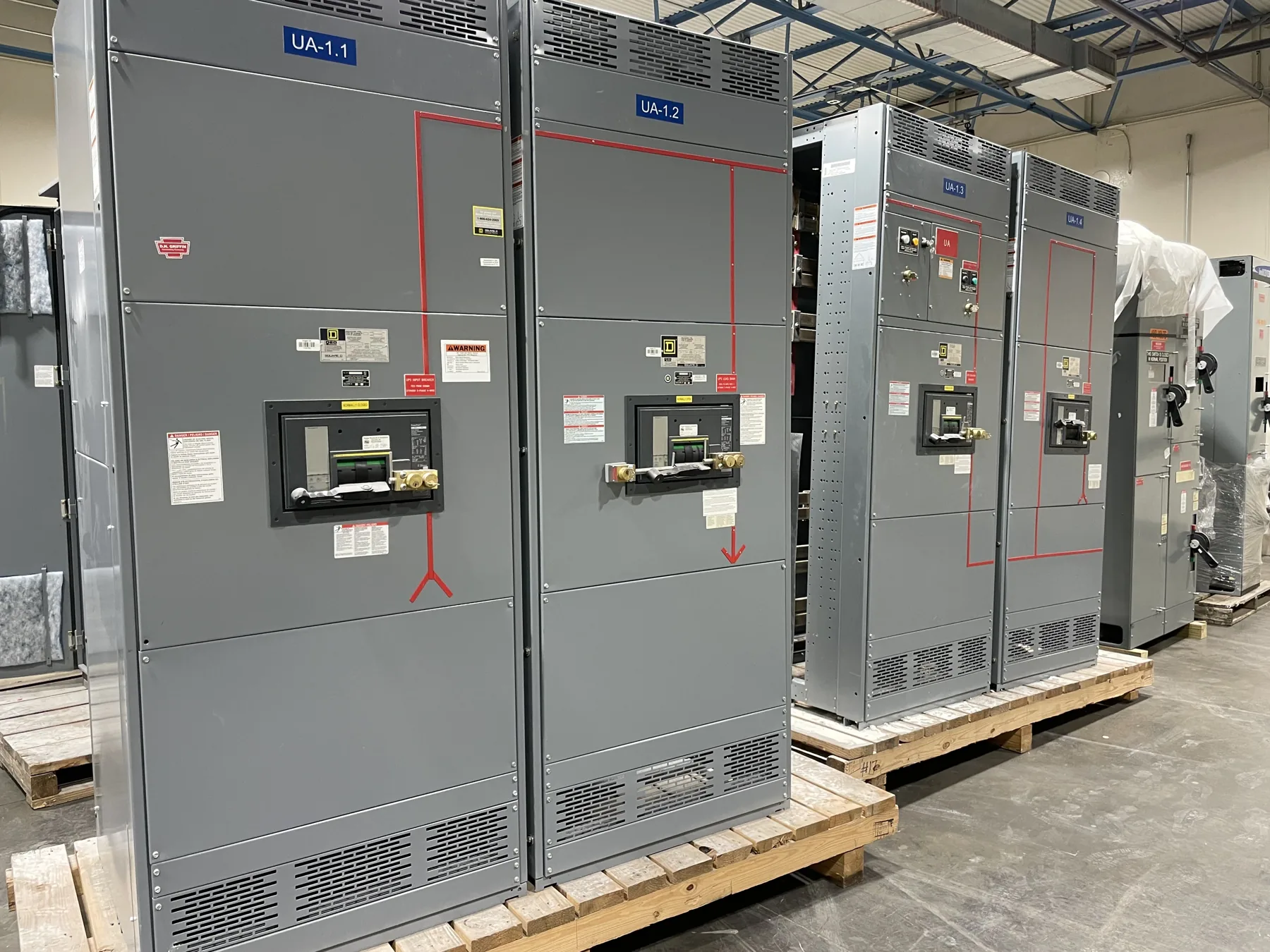
Describe the manufacturer when it can be read from records or an existing, safely visible nameplate. State how many switchboards or sections are involved, and explain whether the offered equipment is a complete assembly or a partial configuration, if known. These distinctions help the buyer understand what the description covers.
A switchboard should not be identified solely by a general visual impression. If the equipment type is uncertain, describe it as uncertain and share the facility’s terminology or available records. Do not open the assembly, inspect internal connections, or perform testing to answer questions; the buyer can review the information that is safe to provide.
Share Practical Condition Information
Useful condition information can come from existing maintenance records, an equipment schedule, or observations made during ordinary, safe access. Mention known repairs, changes, missing sections, or storage history only when supported by what you know. If there is no reliable record, say that plainly rather than estimating a condition rating.
Testing is not required for a seller to request a review. Never approach or open equipment to gather details, and do not treat a photograph as necessary. Existing exterior or nameplate photos are optional only when already safely available. If a view cannot be obtained safely, simply explain that it is unavailable.
Do not assume the switchboard is energized or de-energized. If status is unknown, say so. Electrical handling and disconnects must be performed by qualified personnel following applicable safety procedures. The buyer handles the electrical disconnect work; the seller should not attempt it or ask unqualified staff to do so.
Coordinate Access and Removal
Access details help establish what removal may involve without making the seller responsible for arranging it. Share the known location of the switchboard in the facility, loading access, door or pathway limitations, and any documented restrictions. If a crane or rigging may be relevant, pass along known site information rather than making arrangements.
The buyer handles and pays for crane, rigging, electrical disconnects, loading, freight, and hauling. That can simplify planning during a decommissioning: the seller provides available information, while the buyer coordinates the necessary work. No one should move or electrically handle the switchboard without qualified personnel and applicable safety procedures.
If a purchase is agreed, payment is upfront. An offer by itself does not create a payment obligation, and logistics should be coordinated only after the equipment has been reviewed and an agreement is reached. Share access windows or project constraints that are already known, without promising availability that has not been confirmed.
Make a Clear Quote Request
A practical request can state the confirmed ratings, manufacturer if known, quantity, switchboard configuration, installation or storage status, and California location. Include what records support the description and summarize the access information available. If the equipment is part of a larger facility project, describe its place in that project without assuming the buyer knows the site.
The buyer reviews the information before deciding whether to make an offer. A quote is not guaranteed, and no exact price or timing can be inferred from the ratings alone. Follow-up questions may help clarify the equipment and logistics. You can answer from existing records and safe observations; testing or opening the switchboard is not required.
The business buys used and surplus switchgear, including equipment from decommissioned data centers and shut-down power plants, and buys across all voltage classes. If the purchase is agreed, payment is upfront and the buyer handles the removal logistics at its expense. The seller need only share available information and get paid after agreement.