THE BUYER'S GUIDE / CALIFORNIA
Sell 800-Amp 480-Volt Switchgear in California
Start With the Ratings You Can Confirm
If you plan to sell 800-amp 480-volt switchgear in California, begin by separating confirmed details from assumptions. The stated ratings are useful starting points, but a quote review should establish whether they describe the equipment being offered. A nameplate or reliable records can help confirm the ratings without requiring the equipment to be tested.
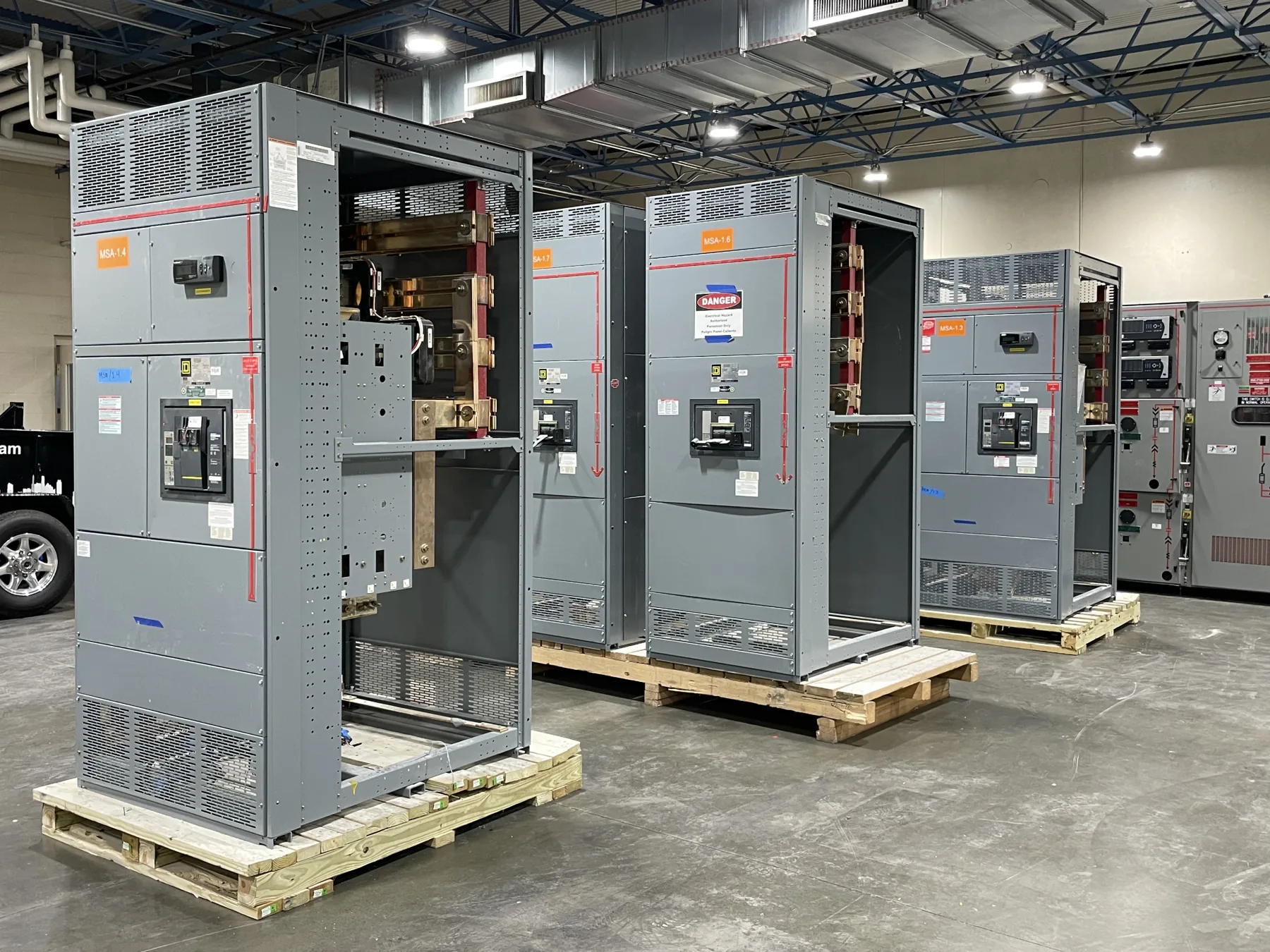
Include the equipment type, manufacturer, quantity, and general configuration when those details are available. For example, distinguish a switchboard or switchgear lineup from individual sections or related components, and explain whether several pieces are being offered together. These facts help clarify what the proposed sale includes and reduce confusion when the equipment is reviewed.
If a rating is uncertain, say so rather than estimating. A clear note that the equipment is believed to be 800 amps and 480 volts, pending confirmation from records, is more useful than presenting an unverified figure as fact. Existing documentation or an exterior nameplate view may be shared if already available and safely accessible; no photo is necessary if obtaining one would be unsafe.
Describe Condition Without Testing
A seller does not need to test switchgear to request a quote. Share what is already known about its condition and history, such as whether it remains installed, is stored, or has been disconnected as part of a prior project. If operating history or maintenance records are unavailable, simply say they are unavailable. Do not open equipment to look for internal details.
Condition information matters because equipment that appears similar by rating may differ in completeness, configuration, or known status. If you know that sections are missing, components were removed, or the lineup has been separated, describe that plainly. Avoid conclusions about internal condition unless supported by records or an existing qualified assessment; the quote depends on reviewing the equipment information provided.
When equipment is still installed, indicate that fact and what you know about its status. Do not approach or handle energized equipment, and do not attempt electrical work for the purpose of preparing a quote. Electrical handling and disconnects belong to qualified personnel following applicable safety procedures. The buyer handles disconnects and other required work if a purchase is agreed.
Explain the California Site and Access
California covers a wide range of site settings, so access information is more useful than an assumed local description. State the site city or general area, whether the equipment is indoors or outdoors if known, and any practical constraints that could affect removal. You do not need to diagnose the building or provide engineering conclusions; describe only what you have observed or can verify.
Mention known access conditions such as a narrow route, stairs, limited doorway clearance, restricted vehicle access, or a scheduled building shutdown. If the equipment is in a data center, plant, or other facility being decommissioned, explain the removal context and anticipated availability when known. Do not invent dates or promise access windows that have not been approved by the site owner.
The buyer handles and pays for logistics associated with an agreed purchase, including crane, rigging, electrical disconnects, loading, freight, and hauling. Share what is known about the route and site rules so those arrangements can be considered. The seller is not expected to arrange the crane, disconnects, rigging, or transportation, and should not undertake unsafe preparation work.
What Helps a Quote Review
For a useful review, describe the offered equipment in a concise message: the stated 800-amp and 480-volt ratings, how those ratings were confirmed, equipment type, manufacturer, quantity, configuration, and current location. Add known condition details and whether the equipment is installed or stored. If records identify model information or included sections, those may help distinguish the lineup from other equipment at the site.
Share existing documents or safely visible exterior or nameplate information if convenient. Do not remove covers, enter restricted areas, or take photographs of interior parts or electrical connections. A seller can request a quote without any photographs, and safety takes priority over gathering additional material. If documentation is incomplete, identify the gaps so the review can account for uncertainty rather than treating guesses as confirmed specifications.
A quote depends on reviewing the equipment and the details available; providing information or receiving an offer does not itself trigger payment. If a purchase is agreed, payment is upfront. The buyer buys used and surplus switchgear across all voltage classes and makes cash offers, but no particular price or eligibility can be promised before review.
Make a Clear, Low-Risk Request
To request a quote for 800-amp 480-volt switchgear in California, state that you are considering a sale and summarize what is known. Include the quantity, type, manufacturer if known, rating evidence, condition information, and whether the lineup is installed or stored. Add the site area and any access limitations you already know, without delaying the inquiry to gather details unsafely.
If the equipment comes from a decommissioned data center, a shut-down power plant, or another project, explain that context only if it applies. A brief description of project timing can help coordinate review and removal planning, but it is not a promise that a specific schedule can be met. You may note which records or exterior images are available, while leaving uncertain details explicitly unconfirmed.
After reviewing the information, the buyer can determine whether to make an offer. Sellers are not required to test equipment, disconnect it, load it, or arrange freight. If a purchase is agreed, the buyer pays upfront and handles the crane, rigging, disconnects, loading, freight, and hauling at its expense. The seller’s role is to share available information and get paid.