THE BUYER'S GUIDE / CALIFORNIA
Sell 2,000-Amp 600-Volt Electrical Equipment in California
Plan Around the Facility Change
When a facility is being reorganized, downsized, or decommissioned, large electrical equipment can become part of a complicated removal plan. A quote request can begin before every scheduling detail is settled. For a California seller considering 2,000-amp, 600-volt electrical equipment, the useful first step is to describe what is known without making assumptions about condition or value.
The equipment may remain installed, or it may already be stored after removal. That distinction affects access and handling discussions, but it does not establish whether the equipment is energized. Share its current location within the facility in general terms, its installation or storage status, and any known limits on access, such as restricted rooms or narrow routes.
The business buys used and surplus switchgear, including equipment from decommissioned data centers and shut-down power plants, and makes cash offers. It buys all voltage classes. Sellers do not need to test equipment; if a purchase is agreed, payment is upfront, and the buyer handles and pays for the removal logistics.
Describe the Equipment Precisely
The phrase 2,000 amps and 600 volts should be treated as a description to confirm, not as a rating to infer from appearance. Ask a quote reviewer to consider the actual nameplate or reliable records showing both ratings. If neither is available, say so plainly and provide the details that can be established without opening or disturbing the equipment.
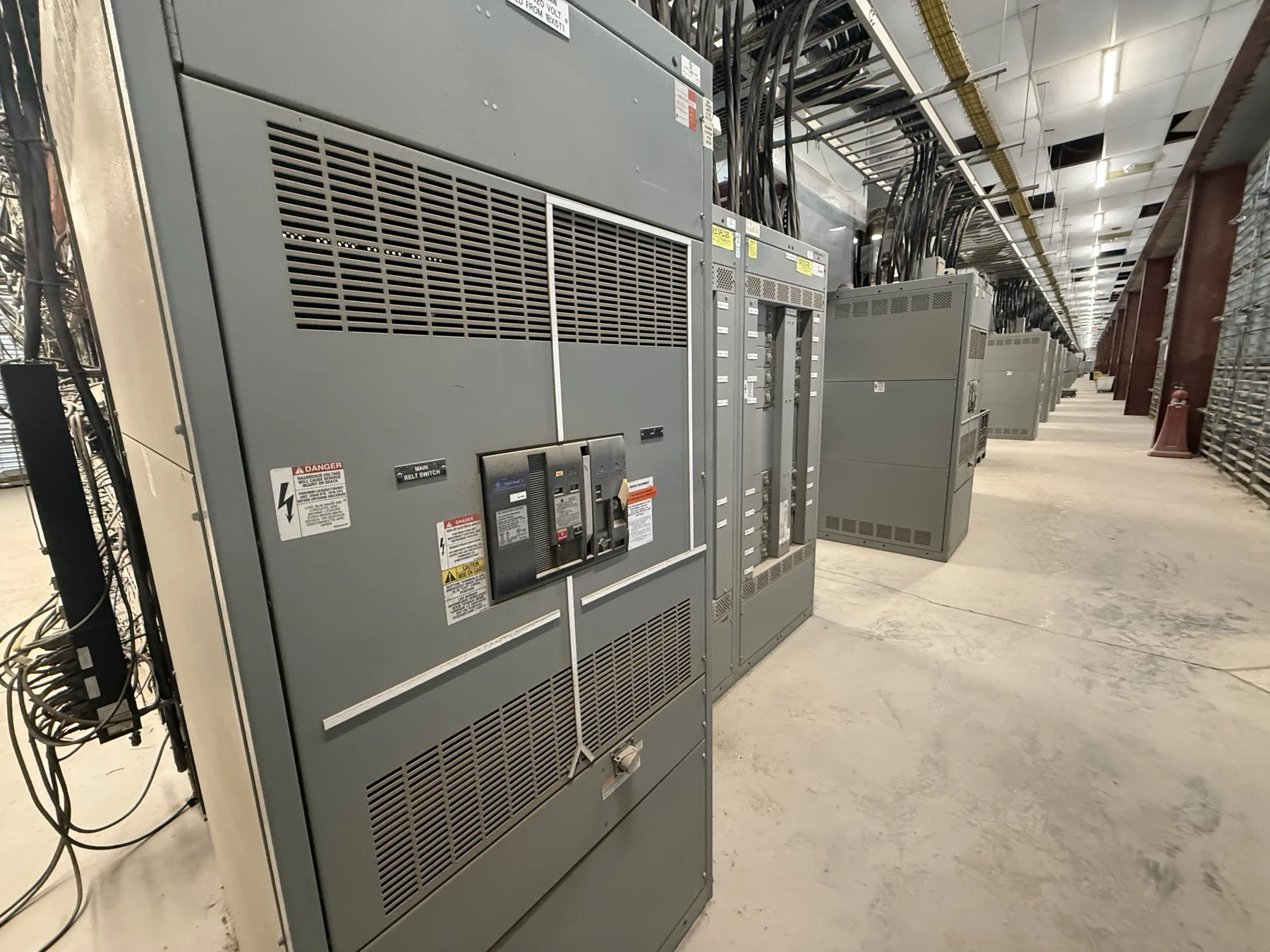
Identify the equipment type as accurately as possible: for example, whether the item is a switchboard, switchgear lineup, or another assembly. Include the manufacturer if it is known, approximate quantity, and the configuration or lineup arrangement. These details help distinguish one assembly from another when similar-looking equipment carries different functions or layouts.
Existing photographs can be helpful if they show an exterior view or a nameplate that is safely visible. Photos are optional, and no image is necessary if obtaining one would mean approaching energized equipment, opening a cabinet, or entering a restricted area. Never open electrical equipment to gather information.
Share Records Without Testing
Useful information often already exists in facility records, decommissioning documents, asset schedules, or prior maintenance files. A seller can share relevant excerpts or transcribe the information available, while noting whether it comes from a nameplate, a record, or an estimate. Clear sourcing prevents a preliminary description from being mistaken for a verified rating.
No seller testing is required to request a review. If inspection or safety information is available, it can be shared as information rather than as a task to perform. Do not approach equipment believed to be energized, and do not attempt electrical measurements, operation, disconnection, or internal inspection to complete a quote request.
Electrical handling and disconnects belong to qualified personnel following applicable safety procedures. The seller should not arrange or perform those tasks for a potential purchase. The buyer handles electrical disconnects as part of its logistics when a purchase is agreed, alongside rigging, crane needs, loading, freight, and hauling at the buyer’s expense.
Explain Access and Removal Conditions
A practical description of the route to the equipment helps frame removal planning. Share known facts such as whether it is on a lower or upper level, whether a loading area is nearby, and whether doors, corridors, elevators, or staging areas may constrain movement. If details are unknown, say that they have not been confirmed rather than guessing.
For installed equipment, explain that it remains in place and provide any known site access procedures or scheduling considerations. For stored equipment, state whether it is palletized, crated, or otherwise staged only if that information is known. These details help the buyer understand what handling may involve without shifting responsibility for rigging or hauling to the seller.
The buyer handles and pays for crane, rigging, disconnects, loading, freight, and hauling. The seller’s role is to provide accurate information and access coordination that is within its control; the seller does nothing but get paid after an agreed purchase and upfront payment. An offer alone does not trigger payment.
Request a Review and Cash Offer
To request a quote for 2,000-amp, 600-volt electrical equipment in California, provide the ratings as shown on a nameplate or reliable record, equipment type, manufacturer if known, quantity, and configuration. Add whether it is installed or stored, what access information is known, and any useful records or optional safe exterior images. Identify uncertainty rather than filling gaps with assumptions.
The buyer reviews the information before deciding whether to make an offer. A quote depends on that review, so no price, eligibility, or exact timing should be assumed in advance. If details are missing, explain what is unavailable; you do not need to arrange testing or obtain unsafe photographs to submit a request.
If a purchase is agreed, payment is upfront. The buyer takes responsibility for crane, rigging, electrical disconnects, loading, freight, and hauling at its expense. Keep the equipment undisturbed for the review, follow site safety procedures, and let qualified personnel handle electrical work. This creates a straightforward basis for considering surplus equipment during a California facility change.