THE BUYER'S GUIDE / CALIFORNIA
Sell 1,600-Amp 480-Volt Switchgear in California
Plan the Sale Around the Shutdown
When a facility is preparing to retire equipment, the sale of 1,600-amp 480-volt switchgear can be considered alongside the shutdown plan rather than left until the last moment. A quote can begin while the gear is still installed, provided the seller shares what is known and does not disturb equipment to gather information.
For a decommissioned data center, a shut-down power plant, or another facility, identify which gear is available and who can confirm its history. The buyer purchases used and surplus switchgear, including equipment from decommissioned data centers and shut-down power plants. A seller does not need to arrange tests or electrical work before requesting review.
The equipment may be installed, disconnected, or already stored; its status should be described without assuming it is safe to approach. If it remains in place, share who manages site access and any known constraints for removal. Qualified personnel handle electrical disconnects and related work under applicable safety procedures, with the buyer responsible for that work and its cost if a purchase is agreed.
Confirm Ratings and Equipment Identity
Treat 1,600 amps and 480 volts as ratings to confirm, not details to infer from a facility description or a similar lineup. The actual nameplate, if safely visible, or reliable existing records can help verify both figures. If the information is unavailable, say so; a quote review can account for what is known without asking anyone to open the equipment.
Describe whether the item is switchgear and provide the manufacturer and quantity when those details are available. Explain how the equipment is arranged: for example, whether it is one lineup or several sections, and whether associated components are included. These distinctions help the buyer understand what is being offered, rather than treating every assembly with the same amperage as interchangeable.
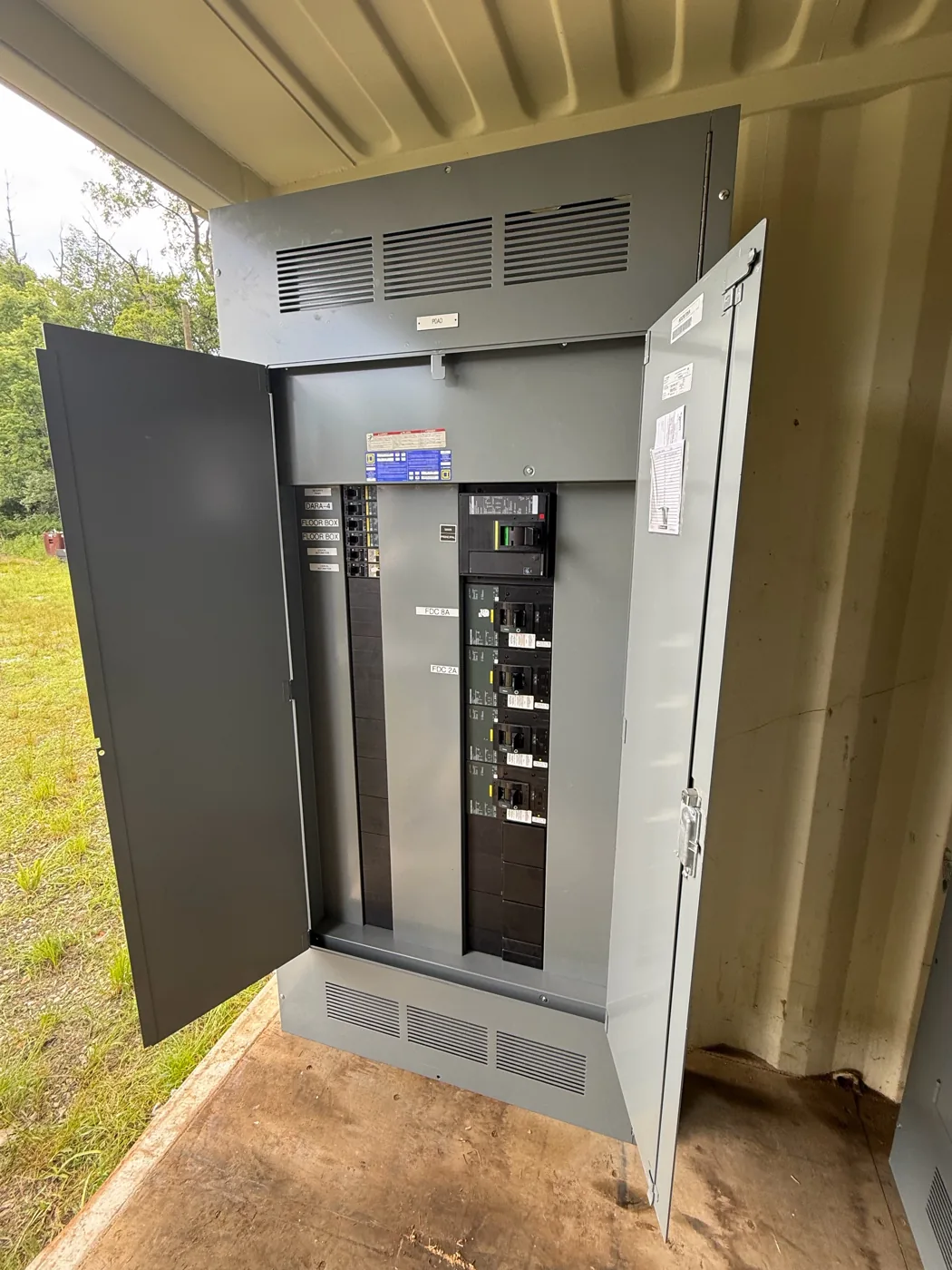
A nameplate view or exterior photograph is optional when it can be obtained safely. Do not approach energized equipment, remove covers, or photograph interior parts or connections. Sellers are not required to test the gear. Existing documentation can be shared instead, and uncertainty about condition or rating is more useful when stated plainly than replaced with a guess.
Describe Configuration and Known Condition
A useful description explains what the seller can verify about the 1,600-amp 480-volt switchgear and what remains unknown. Mention whether it is still in service, has been taken out of use, or is stored, without implying that it is energized or de-energized. If an authorized site representative already has records about operating history, maintenance, or removal, those details may help with review.
Configuration affects the scope of a potential transaction. State the number of sections or units, whether the offer covers a complete lineup or selected equipment, and whether any related components are included. If labels or records identify the manufacturer or a model, relay the information as written rather than supplying an assumed model. The buyer reviews the equipment information before making an offer.
Condition notes need not come from testing. Share visible exterior observations or known documentation only if readily available and safe to provide. Missing information is acceptable to report as missing. Do not open enclosures or ask unqualified personnel to inspect electrical parts; qualified personnel must follow applicable safety procedures for any electrical handling. Clear limits on what is known make the quote request more reliable.
Plan Access Without Taking on the Work
For equipment that remains installed, describe its general location within the facility and any access details already known. Relevant facts may include whether a route to the equipment is restricted, whether the building has loading access, or whether a crane may need consideration. These are planning details, not jobs for the seller to perform or arrange.
If the switchgear has already been removed and stored, explain where it is held, how it is positioned, and whether access is known to be straightforward. Do not move heavy equipment or alter electrical connections to improve access. If a purchase is agreed, the buyer handles and pays for crane, rigging, disconnects, loading, freight, and hauling. Qualified personnel perform electrical work using applicable safety procedures.
The seller need only share access information that is already available and coordinate reasonable site access if requested. The buyer does not require the seller to test the equipment or organize removal. No photograph is needed if obtaining one would be unsafe; optional exterior or nameplate views should only come from a safe, accessible position. This approach lets logistics be considered without shifting technical or lifting responsibilities onto the seller.
Request a Quote With Clear Information
To request a quote for 1,600-amp 480-volt switchgear in California, provide the location in California, the quantity, the equipment type, manufacturer if known, and the best available confirmation of both ratings. Add a brief description of the configuration and whether the gear is installed or stored. If records are incomplete, identify which points are confirmed and which are uncertain.
Include any existing records, safe exterior photographs, or safely visible nameplate information that can clarify what is being offered. Also describe known access constraints and whether the equipment is part of a larger decommissioning. There is no need to test the switchgear, open it, or obtain images of its interior or connections. A quote depends on review of the equipment and the information provided; an offer alone does not trigger payment.
If the buyer and seller agree to a purchase, payment is upfront. The buyer handles and pays for the crane, rigging, electrical disconnects, loading, freight, and hauling, so the seller does not need to arrange those services. Make the request by sharing the available facts and asking for an equipment review; do not delay the inquiry merely because some details remain uncertain.