THE BUYER'S GUIDE / CALIFORNIA
Sell 1,600-Amp 208-Volt Switchboards in California
Start With Information About the Existing Switchboard
If you want to sell a 1,600-amp, 208-volt switchboard in California, begin by describing the equipment you already have. A review can start with reliable records and safely available exterior details; the switchboard does not need to be tested for a purchase discussion. The stated ratings should be confirmed rather than assumed from the building, circuit, or an old description.
Explain whether the switchboard remains installed or is stored, and whether it is one lineup or several related sections. These details help distinguish the equipment being offered and clarify what a later removal and pickup plan may involve. If records use a different description, share that wording too, rather than changing it to fit a presumed rating.
A buyer reviews the information before deciding whether to make an offer. An offer is not payment, and a quote depends on reviewing the equipment. If a purchase is agreed, payment is upfront. The buyer handles and pays for the electrical disconnects, rigging, crane work when needed, loading, freight, and hauling, so you do not need to organize those services.
Clarify Ratings, Type, and Configuration
For switchboards offered as 1,600 amps and 208 volts, the nameplate or reliable equipment records are useful for confirming both ratings. Share only information you can obtain safely, such as an existing record or a clear view of an exterior nameplate. Do not open the switchboard, approach energized equipment, or create a new inspection just to supply details.
Describe the equipment as accurately as possible: switchboard, rather than an assumed switchgear assembly or another electrical component. Include the manufacturer and quantity if those details are known. A lineup may contain multiple sections, and the quantity or arrangement can affect how the buyer understands the offer and plans handling. If the manufacturer is unreadable or unknown, say so instead of guessing.
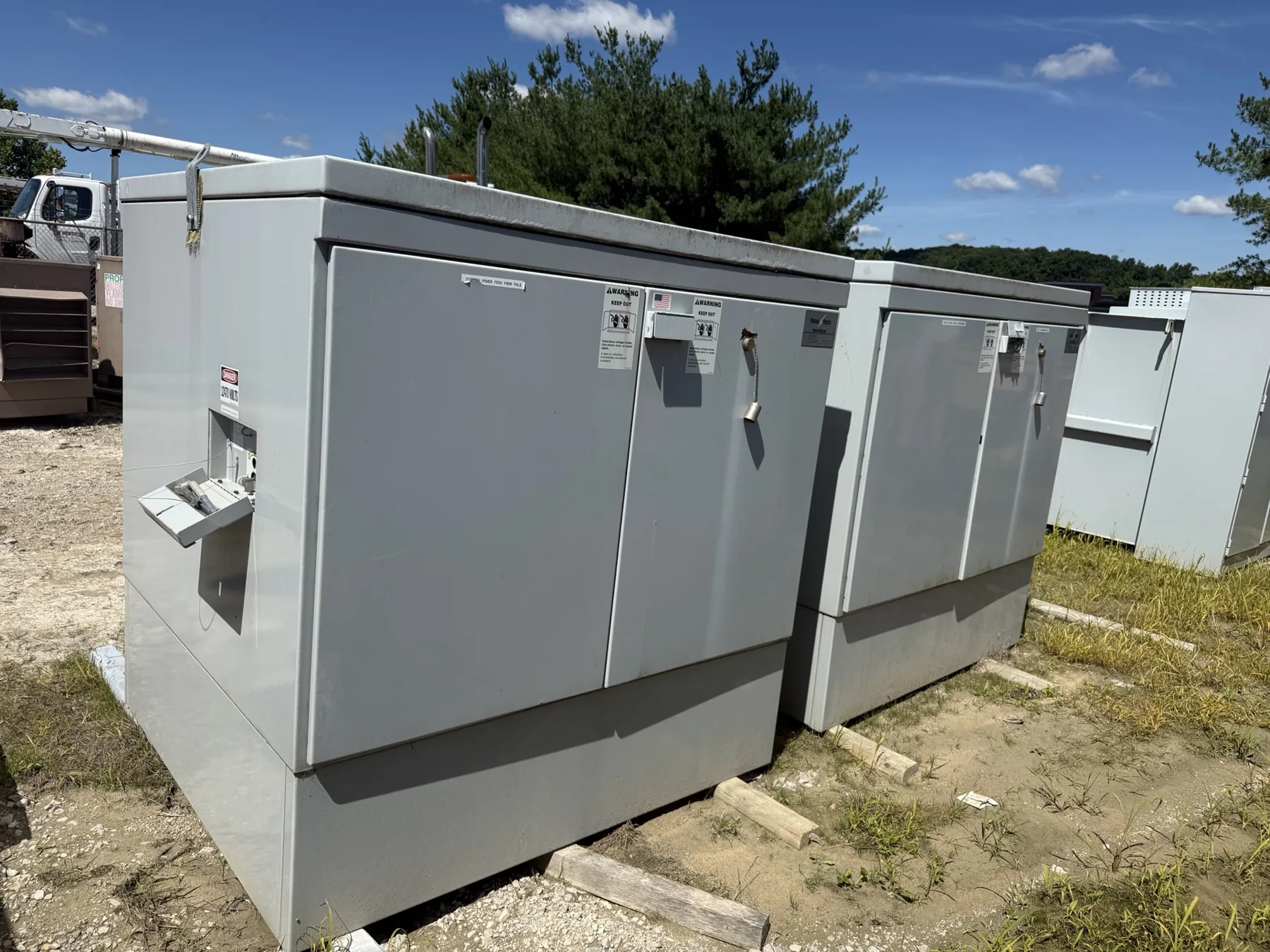
Configuration matters because a stated current and voltage alone do not fully describe the equipment. Mention known section count, general lineup arrangement, or associated components when records make that information clear. Existing photographs of the exterior or nameplate are optional. No photo is needed if getting one would be unsafe, and interior or connection photographs should not be requested.
Explain the Decommissioning or Storage Situation
A switchboard may become available during a facility upgrade, closure, or broader decommissioning. For a California seller, the useful point is not a presumed local project or industry, but what has happened to this particular equipment. Explain whether it is being removed as part of a planned shutdown, has already been disconnected by qualified personnel, or remains in its installed position.
If the equipment is stored, describe its known location within the property and whether it is accessible for a future pickup. If it is still installed, say that plainly and share what is known about access and the anticipated work area. Do not perform electrical work to answer questions. Electrical disconnects and handling belong to qualified personnel following applicable safety procedures, and the buyer handles the disconnect work.
Records from decommissioning can help resolve uncertainty about identity, ratings, or quantity, but testing is not a seller requirement. Share documents or notes already available and identify anything that remains unconfirmed. This gives the buyer a clearer basis to review the offer without asking you to energize, operate, dismantle, or open the switchboard.
Describe Access Without Arranging the Work
Pickup planning depends on the actual conditions around the switchboard, so share what you know about access. Useful context can include the general route from the equipment to a loading area, whether there are doors or level changes, and any known limits on vehicle or lifting access. These are information requests, not tasks you must resolve before asking for a quote.
Explain whether the switchboard is in a basement, equipment room, outdoor area, or another setting only if that is known. Note visible space constraints or access rules that could affect removal, and clarify whether the equipment is installed or already staged. Avoid approaching electrical equipment or entering a restricted area to collect details. Safety takes priority over photographs or measurements.
If a purchase is agreed, the buyer handles and pays for crane services, rigging, disconnects, loading, freight, and hauling. You are not expected to hire a rigger, arrange a crane, disconnect conductors, or load the equipment. Qualified personnel must perform electrical work under applicable safety procedures. Sharing known access details helps the buyer consider logistics without transferring responsibility for the work to you.
Make a Practical Quote Request
To request a review, describe the switchboard as offered, state the reported 1,600-amp and 208-volt ratings, and provide the manufacturer, quantity, and configuration when known. Add whether it is installed or stored and summarize any reliable records that support its identification. Be candid about unknown details; an accurate account is more useful than an unsupported specification.
You may share existing exterior or nameplate photos if they are already available and safe to provide, but pictures are optional. Do not open the equipment, take interior images, or approach a potentially energized switchboard. Testing is not required. If you have decommissioning records or an inventory description, you can share those instead of trying to inspect the unit.
The buyer reviews the information and the equipment before deciding whether to make an offer; no price or eligibility should be presumed. If a purchase is agreed, payment is upfront, while the buyer manages and pays for disconnects, rigging, crane work as needed, loading, freight, and hauling. Your practical next step is simply to provide the information you already have and ask for a review.