THE BUYER'S GUIDE / CALIFORNIA
Used Switchgear Buyers in San Diego, CA
Decide What Surplus Equipment to Present
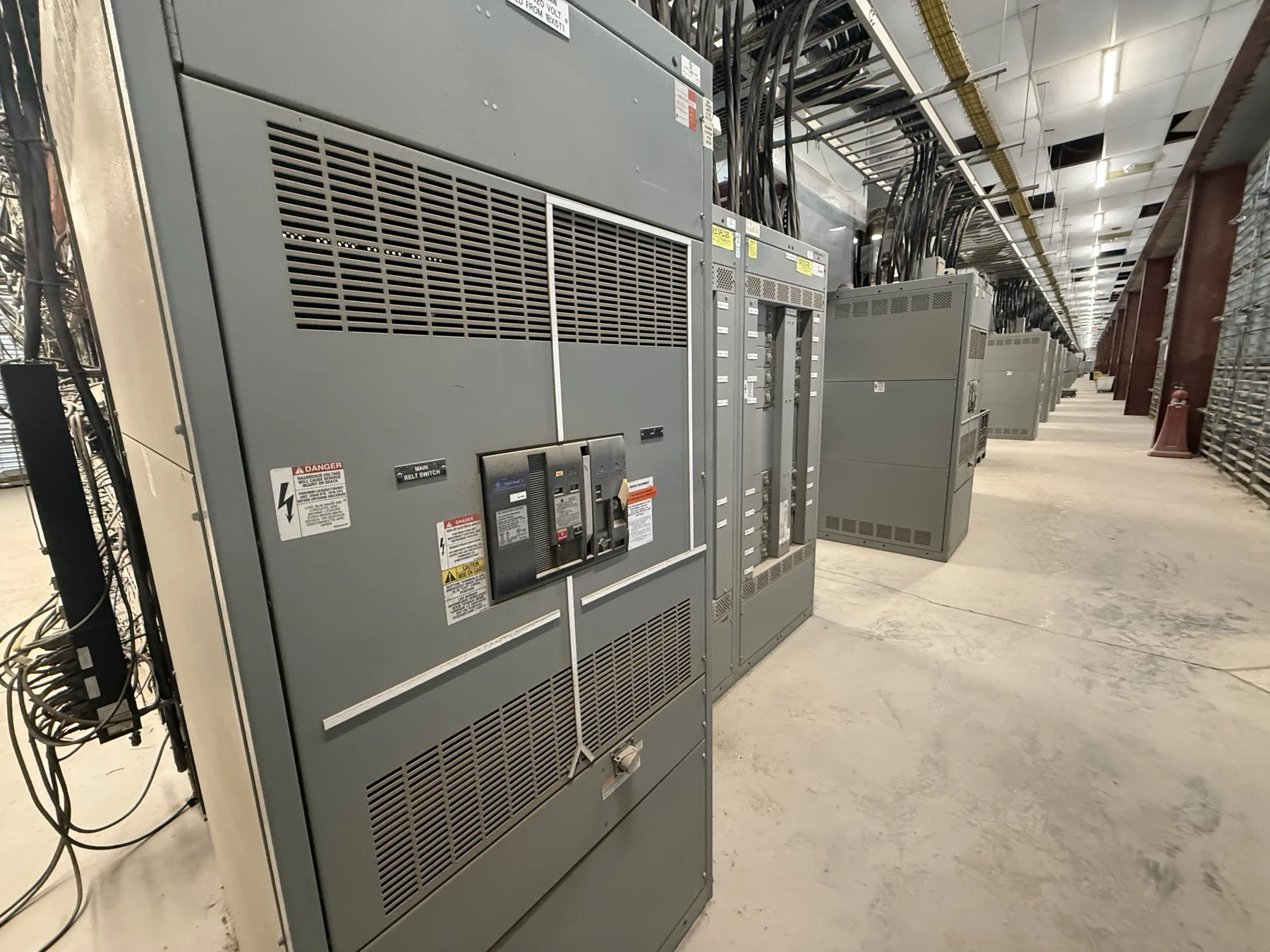
When electrical equipment becomes surplus, the first practical decision is what exactly is available for review. A search for used switchgear buyers in San Diego, CA, may lead an owner to consider a whole lineup, selected sections, or components removed during a facility change. Describe the proposed equipment before drawing conclusions about value or whether it will be accepted.
Start with a plain account of its present status: installed, disconnected, stored, or awaiting a planned decommissioning. Explain whether the equipment is being considered as one group or in separate lots. If it came from a decommissioned data center or shut-down power plant, that origin can be noted as context, without assuming it establishes condition or value.
A quote depends on reviewing the equipment and the information supplied. The business buys used and surplus switchgear in all voltage classes and makes cash offers with upfront payment after review. Those facts do not guarantee a particular valuation or eligibility. A specific description lets the review focus on the equipment actually available rather than on a broad category alone.
Identify Configuration and Condition Clearly
Record the manufacturer, model, serial number, and ratings only where those details are readable on existing labels or records. Photographs of nameplates and an overall view of the lineup can help distinguish similar equipment. If a label is missing, unreadable, or unavailable, say that directly rather than reconstructing information or borrowing details from a neighboring section.
Describe visible condition without turning an observation into a technical conclusion. Mention whether sections appear complete, whether components are missing, and whether known repairs or maintenance records exist. If the gear has been stored, note that status and any known storage history. Drawings or prior inspection documents can add context, but you are not expected to create records for a quote.
The seller does not have to test equipment. Share inspection or safety information only if it is already available, and do not operate or open energized equipment to gather it. Electrical handling and disconnects must be performed by qualified personnel following applicable safety procedures. The buyer handles the relevant disconnect and removal logistics; a request for a quote is not a request for seller-performed electrical work.
Coordinate Removal Information Safely
Logistics become easier to review when the equipment's location is described precisely. Note its room, floor, access route, approximate route constraints, and the point where loading could take place. If you have ordinary photographs or known measurements of doorways and corridors, they may help communicate the path. Do not enter restricted spaces or move anything to obtain them.
Also state any known limits on site access, loading times, vehicle approach, or coordination with facility personnel. If removal is connected to a larger decommissioning, explain the current schedule and whether it is firm or still under discussion. A tentative date should be presented as tentative, since logistics cannot be planned accurately from an assumed schedule.
The buyer handles rigging and logistics, including crane, rigging, disconnects, loading, freight, and hauling, at its expense. That arrangement means sellers do not need to source a crane or arrange a separate carrier for the transaction. It does not change the need for qualified personnel to follow applicable safety procedures when electrical handling and disconnects are involved.
Define the Equipment and Supporting Details
Set out what the proposed sale includes in understandable terms. For instance, distinguish a complete lineup from a selection of sections, and identify associated breakers or other components only when you know they are part of the lot. If pieces are in more than one location, state that clearly so a reviewer can understand the scope and the logistical requirements.
Use a count you can support, such as the quantity shown on an existing inventory or the number of units visible in a photograph. If the inventory may be incomplete, explain the uncertainty. Existing single-line diagrams, asset records, or maintenance documents may help link equipment to its former system, but their details should not be treated as a substitute for actual labels.
Keep the account factual and concise: what is present, what is known, what is missing, and what remains uncertain. That approach helps avoid confusing a requested review with a guaranteed valuation. No testing is required from the seller, and a lack of test data can simply be stated. The review, rather than an assumed condition or voltage class, informs any offer.
Send an Actionable Request for Review
A complete request can identify the equipment as used or surplus switchgear in San Diego, California; summarize its configuration and quantity; and describe condition, status, and location. Include readable nameplate photographs and relevant existing records when available. If a detail cannot be confirmed, mark it unknown instead of delaying the request or supplying a guess.
Add the practical information needed to discuss removal: whether the equipment remains installed, how it can be reached, where loading may occur, and what site access or schedule limits are known. Do not test, disconnect, or move the equipment to prepare a submission. Qualified personnel handle electrical work under applicable safety procedures, and the buyer handles the transaction's logistics.
The business buys used and surplus switchgear, including equipment from decommissioned data centers and shut-down power plants. After reviewing the equipment, it can make a cash offer and pays upfront; it buys all voltage classes and handles rigging, disconnects, loading, freight, crane, and hauling at its expense. No price or outcome should be assumed before review. The seller does nothing but get paid.