THE BUYER'S GUIDE / CALIFORNIA
Used Switchgear Buyers in Norwalk, CA
Describe the equipment, not its assumed value
For owners looking for used switchgear buyers in Norwalk, CA, a useful first step is to describe what is actually installed rather than guessing what it might be worth. Switchgear can include different assemblies and components, and a broad label alone may not tell a reviewer whether the equipment fits a particular request. Start with what you can observe safely: the equipment’s general type, its setting, and whether it is still installed or has already been removed.
A request for a quote is a review, not a promise of a particular price or eligibility. The buyer needs to consider the equipment information before making a cash offer, so precise observations are more helpful than assumptions about age, resale demand, or condition. If a detail is unavailable, say so. An honest description of what is known, alongside clearly identified unknowns, gives the reviewer a sounder basis for follow-up.
Identify assemblies and available records
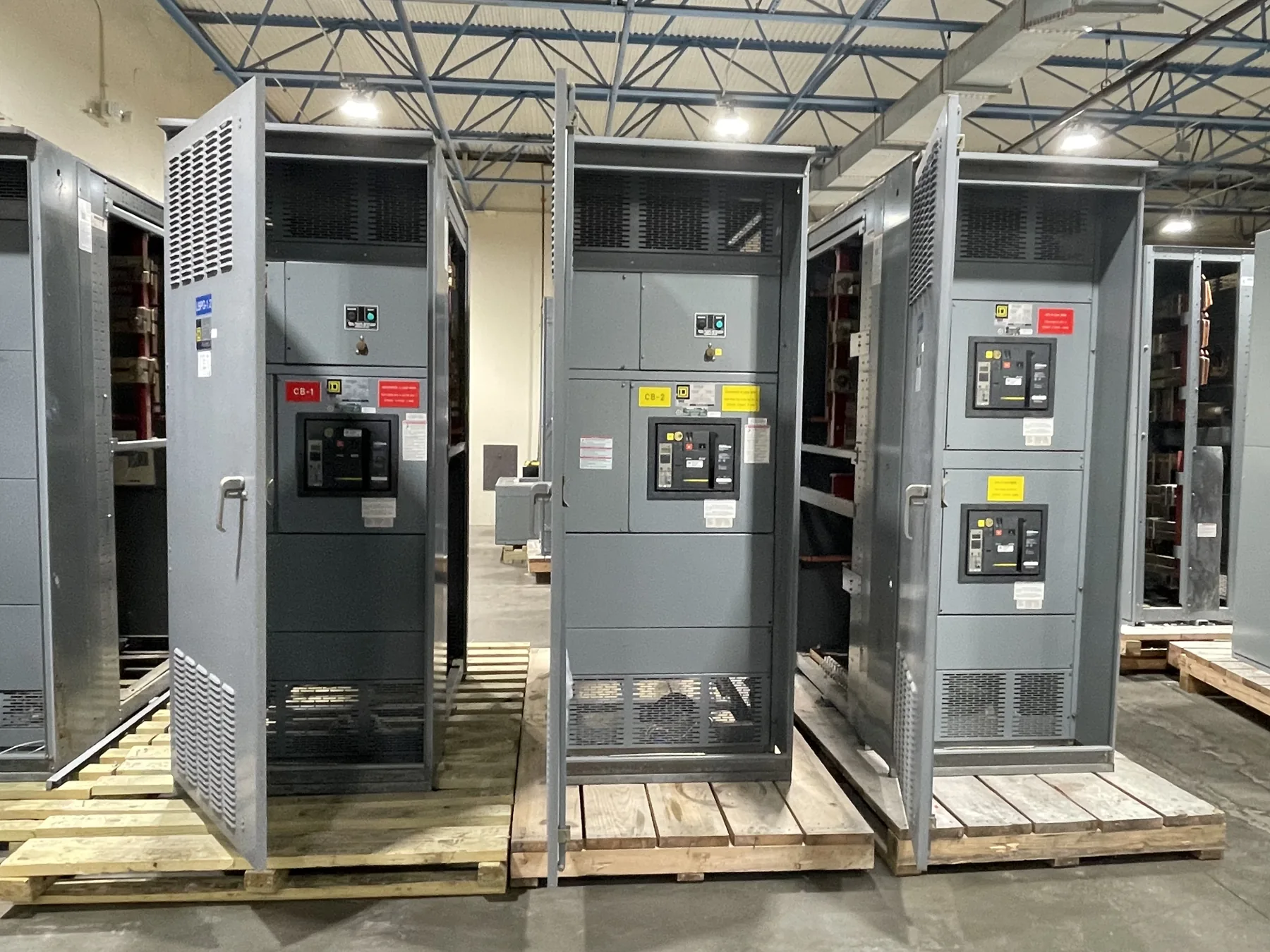
When practical, share readable nameplate information or photographs taken from a safe position. Useful details may include manufacturer, model or catalog designation, voltage class, and other markings actually shown on the equipment. Do not guess missing figures or rely on a label from a neighboring section. If the assembly contains several compartments or sections, describe how many are present and which markings belong to which part, where that distinction can be made without touching electrical equipment.
Records can add context that a photograph cannot provide. An equipment schedule, one-line drawing, asset register, or decommissioning inventory may help explain how a lineup is arranged and what components are included. These materials are useful when available, but sellers do not need to create new technical documents or conduct testing. The buyer purchases across all voltage classes, and a seller can simply report the voltage information that is visible or documented rather than deciding whether a class is acceptable.
Explain condition and decommissioning status
Condition is most useful when described in concrete, limited terms. Note whether the switchgear is operating, disconnected, stored, or awaiting removal if that status is known, and identify visible damage or missing components without opening compartments. If maintenance records or prior inspection reports exist, they can be shared for review; requesting those records does not mean the seller must test the equipment or arrange a new inspection. When records are incomplete, explain that plainly instead of treating uncertainty as a defect or a guarantee of condition.
The reason for removal can also help frame the equipment’s history. For example, an owner may be clearing a facility, changing an electrical layout, or handling equipment from a decommissioned data center or shut-down power plant. That context is useful, but it does not establish a price by itself. Separate known facts from estimates, and avoid claiming that equipment is serviceable, complete, or suitable for reuse unless documentation supports that description.
Plan access and handling around the site
A quote review is easier to coordinate when the equipment’s location is described clearly. Explain whether it is indoors or outdoors, installed or staged, and whether it sits on a particular floor or behind access-controlled areas. Share practical constraints you already know, such as a narrow route, loading access, stairs, overhead limitations, or a possible need for a crane. These details help the buyer understand the removal and transportation work rather than asking the seller to estimate rigging requirements.
The buyer handles rigging and logistics at its expense, including crane work, rigging, disconnects, loading, freight, and hauling. The seller’s role is not to arrange those services or move heavy equipment independently. Electrical handling and disconnects must be performed by qualified personnel following applicable safety procedures; no one should work on energized equipment. Describe site access and any known restrictions, then let the buyer coordinate the required work with the appropriate personnel.
Make a clear, actionable quote request
To request a quote, bring together the equipment description, available markings or records, known condition, decommissioning status, and location and access details. Include photographs only when they can be taken without entering restricted areas or approaching unsafe equipment. If several units are involved, distinguish them by room, lineup, asset tag, or another identifier already in use. A short explanation of what is included helps prevent confusion about whether the request covers a complete assembly or selected components.
Tell the buyer which information is confirmed and which points need review. You do not need to test the switchgear, disconnect it, or prepare it for transport before asking. After reviewing the details, the buyer can determine whether to make a cash offer; no valuation or exact timing should be assumed before that review. Payment is made upfront, and the seller does nothing but get paid once the transaction is arranged. For Norwalk owners, a concise, accurate request is the practical way to begin without taking on unnecessary technical or logistical work.