THE BUYER'S GUIDE / CALIFORNIA
Used Switchgear Buyers in Irvine, CA
Which Nameplate Details Are Available?
Can you read the manufacturer and model, or identify the equipment’s voltage class from existing records? For owners looking for used switchgear buyers in Irvine, CA, those details are a useful starting point, alongside the number of sections and any known breaker information. If a label is missing or unreadable, simply describe that limitation instead of estimating.
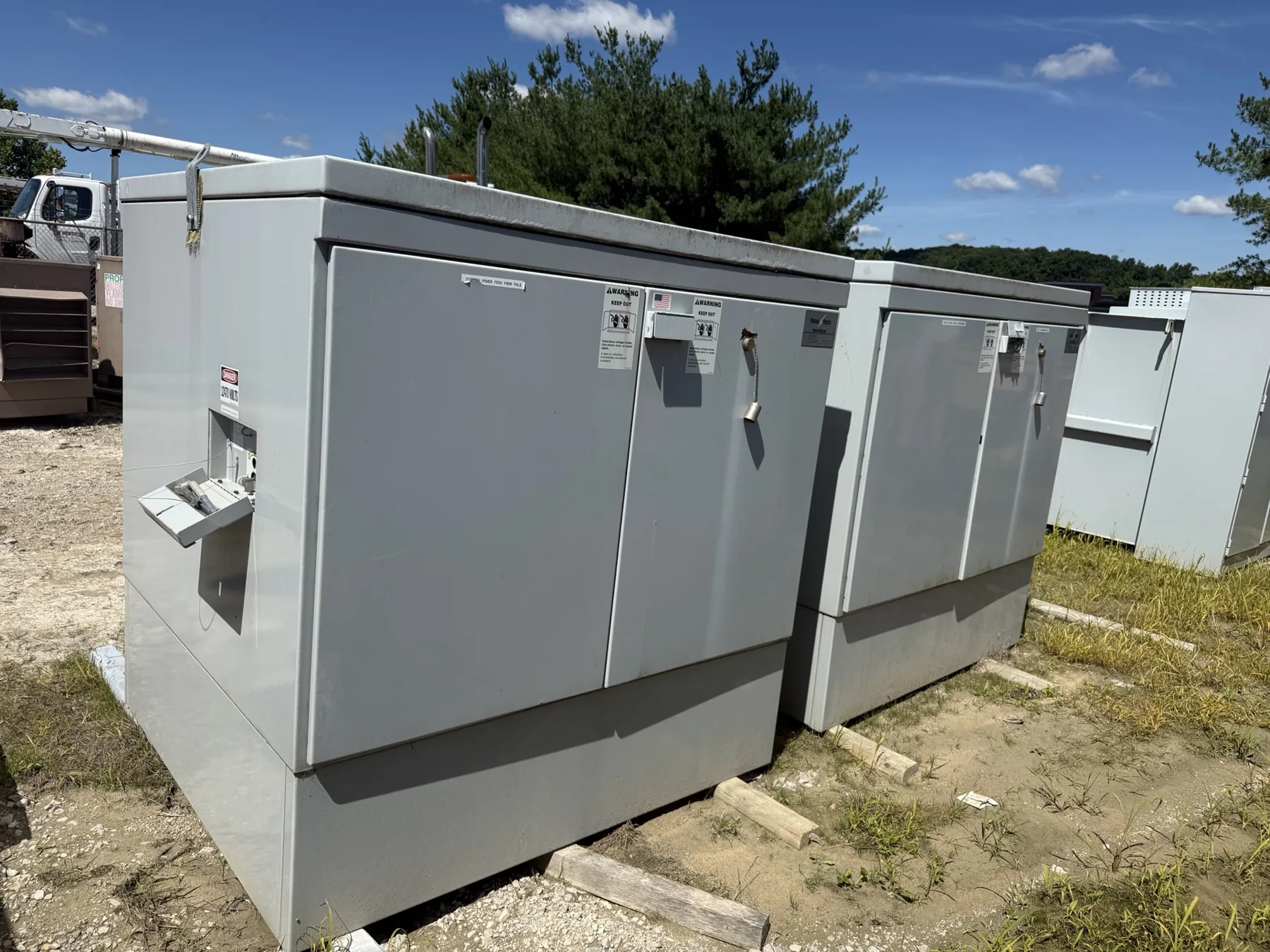
A photograph of an accessible label or the overall lineup can support a first review, provided it can be taken safely. Do not remove covers or approach energized equipment to capture an image. Existing drawings, equipment schedules, and maintenance files may supply additional context; they are helpful records, not paperwork that must be created before asking for a quote.
Explain whether the offered material is a full assembly, selected sections, or equipment with related components. If you are unsure how to classify it, describe what is physically present and attach a photograph when convenient. Clear, modest descriptions make it easier to understand the proposed lot without inventing specifications or assuming that every piece is included.
Describe Condition Without Testing
A quote review benefits from an honest account of what is known about condition and history. Say whether the switchgear was operating before a project, has been out of service, or has been stored, if those facts are available. If the history is incomplete, identify that plainly. Sellers do not need to energize, operate, or test the equipment to request a review.
Existing inspection reports or service documentation can answer questions about prior maintenance, but sharing them is optional. Describe visible issues only as observations, such as a missing handle or an apparently incomplete section, rather than diagnosing hidden problems. Any inspection information is a request for records already available, not a demand for testing or a new technical assessment.
Electrical handling must remain with qualified personnel following applicable safety procedures. Never attempt to open, disconnect, or examine energized switchgear to improve a listing. A buyer reviews the information provided and may ask for clarification; whether an offer is made and its basis depends on review of the actual equipment, not on a seller’s unsupported claim about condition.
Equipment From a Facility Change
Switchgear can be surplus after an electrical upgrade, a change in building use, or a facility decommissioning. Explain what prompted the equipment’s availability only to the extent you know. Whether it remains installed, has been disconnected, or is already staged can help define the proposed transaction and inform later coordination without making the seller responsible for removal work.
The buyer purchases used and surplus switchgear, including equipment from decommissioned data centers and shut-down power plants, across all voltage classes. If the Irvine equipment came from one of those settings, share any existing inventory or maintenance records that help identify it. Do not assume that its former setting establishes condition, completeness, or value; each item needs review.
Identify any parts that will not be included and note whether several lineups or separate lots are involved. A precise boundary around what is being offered prevents a quote request from unintentionally combining equipment that belongs to different owners or projects. You can state what is known now and flag details that require confirmation through existing records.
Plan Around the Site, Not Assumptions
A location description should let a removal team understand where the equipment sits and how access is controlled. Note the room or building area, whether the equipment is indoors, and any known route constraints between its location and a loading point. If measurements are already documented, they may be useful; there is no need to create measurements or move equipment for an inquiry.
Mention access procedures that may apply, such as check-in, escorts, or coordination with a facilities contact, when relevant. Avoid assumptions about vehicle access, loading docks, or crane placement. The buyer can review the conditions and coordinate logistics; the seller should describe known limits rather than arrange heavy equipment or attempt to prepare a route.
The buyer handles rigging and logistics at its expense, including crane, rigging, disconnects, loading, freight, and hauling. Disconnects and electrical handling are performed by qualified personnel following applicable safety procedures. Keep the equipment in place and rely on the facility’s normal controls until removal arrangements are coordinated. This approach separates useful site information from unsafe or premature work.
Make a Clear Quote Request
A useful request brings together equipment identity, quantity, known condition, availability, and location in Irvine. Include readable nameplate details, photographs, or existing documents if they are readily available and safe to share. State what you do not know. The buyer needs to review the equipment before determining whether an offer is appropriate, so no description guarantees a price or eligibility.
Add whether the switchgear is installed or staged and summarize any access limits that a removal team should know about. You are not required to test equipment, disconnect it, load it, or arrange freight. If additional details are needed, they can be requested for clarification; that should not be confused with a requirement to conduct testing.
The business makes cash offers and pays upfront after reviewing the equipment. It buys all voltage classes and takes care of rigging and logistics, including crane, disconnects, loading, freight, and hauling, at its expense. The seller does nothing but get paid. Start by collecting information already on hand and sharing an accurate account of the equipment and its location.