THE BUYER'S GUIDE / CALIFORNIA
Sell Used Square D Switchgear in Salinas, CA
Review the Existing Equipment First
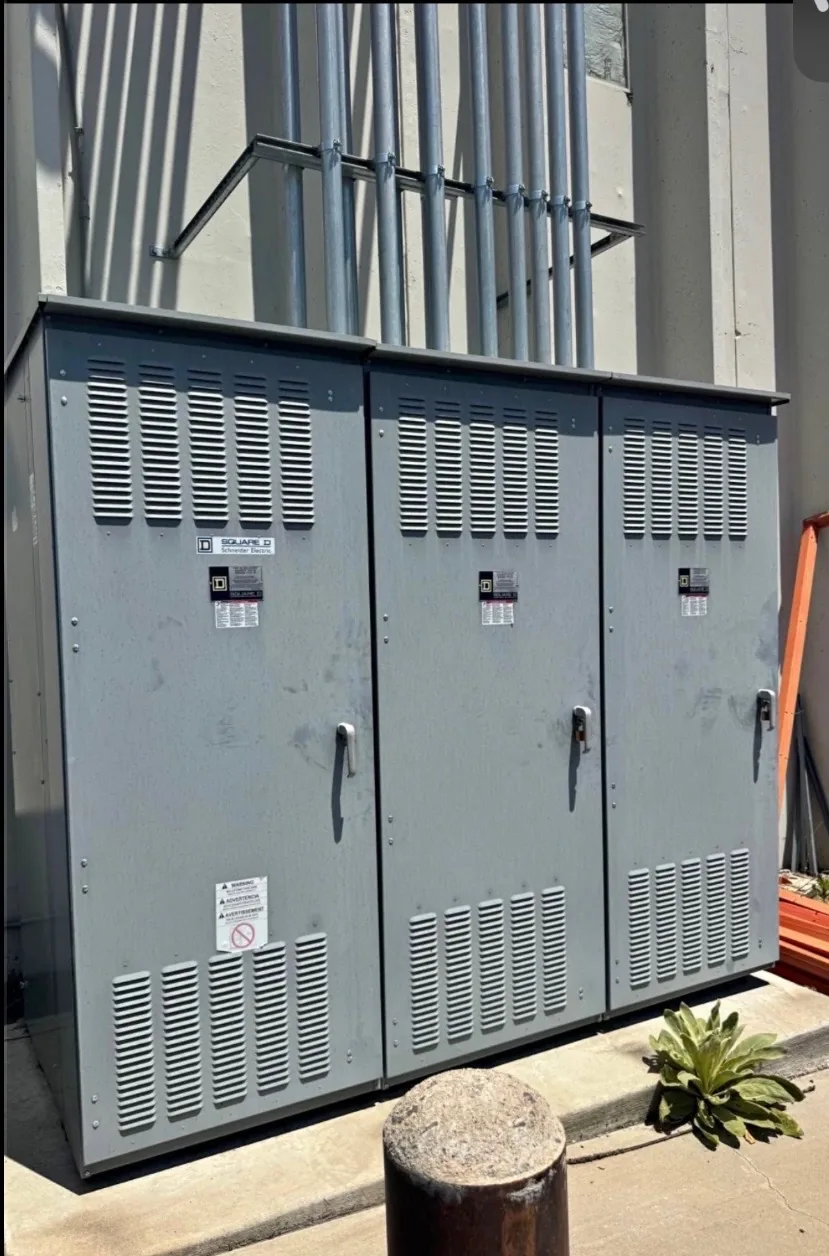
An owner in Salinas considering whether to sell used Square D switchgear can begin with a straightforward description of what remains at the facility. The buyer purchases existing switchgear, including equipment from decommissioned data centers and shut-down power plants. A review starts with the information the owner can safely provide, not with a request to test or operate equipment.
Describe whether the switchgear is still in service, disconnected, or awaiting removal, if that status is known. Share the visible condition and explain any obvious changes, such as missing sections or devices stored separately. These details help distinguish a complete lineup from equipment that has been partly dismantled, without asking anyone to inspect electrical interiors.
The Square D label identifies the subject of the inquiry, but it does not establish a particular model, rating, configuration, or value. If those details are unknown, say so rather than guessing. A quote depends on reviewing the available equipment information, and an initial request for a quote does not itself create a purchase or payment obligation.
Identify the Lineup Without Guessing
Count the visible sections and describe how they are arranged, if that can be done from a safe location. A count gives the buyer a sense of the lineup’s scale, while a note about gaps or separate devices helps explain what is and is not included. Do not remove covers, approach energized equipment, or enter a restricted electrical area to gather details.
If model or rating information is plainly visible on an exterior label, the owner may share what it says. An existing photograph or a safely obtained exterior view can be helpful, but photos are optional, and no image is needed if taking one would be unsafe. Unknown or unreadable markings should remain identified as unknown.
Mention any known drawings or equipment records that are already available, but do not delay a request to search for documents that may not exist. The buyer can review what the owner has on hand alongside the label, service status, condition, and section count. Seller testing is not required; electrical work belongs to qualified personnel following applicable safety procedures.
Describe Decommissioning and Equipment Status
A change in facility use may leave switchgear available for review before a room is cleared or repurposed. Explain whether the Square D-labeled equipment is part of a planned decommissioning, has already been taken out of service, or remains in place pending a decision. The owner need not provide a technical diagnosis where the status is uncertain.
If a facility team has already identified devices that are missing, removed, or kept in separate storage, explain that arrangement. The distinction can matter when evaluating what could be included in a potential purchase and how the remaining lineup should be understood. Avoid presenting unverified assumptions as facts; a concise account of what staff know is more useful than a guessed configuration.
Do not energize, test, or open switchgear to improve the inquiry. If inspection or disconnect work is needed, qualified personnel handle electrical tasks under applicable safety procedures, and the buyer handles the work as part of an agreed transaction. The owner can simply relay existing records and observations gathered without unsafe access.
Explain Access and Pickup Conditions
After reviewing the equipment description, discuss the practical route for pickup at the Salinas location. Helpful information may include where the lineup sits within the facility, whether a loading area is nearby, and any known doorway, corridor, or exterior access constraints. Share only what can be described safely; the buyer can ask follow-up questions if more detail is needed.
An owner does not have to arrange a crane, rigging, electrical disconnects, loading, freight, or hauling. If a purchase is agreed, the buyer handles and pays for those logistics. Mentioning a narrow access route, an upper-level location, or a known scheduling limitation can help the buyer consider the work, but it does not transfer responsibility for arranging it to the seller.
The buyer purchases used switchgear across all voltage classes, so an unknown voltage does not automatically prevent an inquiry. Still, accurately reporting known markings—or clearly stating that they are unavailable—helps keep review grounded. No one should approach or handle energized equipment to answer a pickup question; qualified personnel follow applicable safety procedures for electrical work.
Make a Clear Quote Request
To request a review, identify the equipment as Square D-labeled switchgear at a Salinas facility and summarize its service status, visible condition, section count, and any missing or separately stored devices. Add known model or rating information only when it is already available, and state plainly when a detail is unknown. Existing exterior photos or records may be shared if safely available.
Include a brief description of the pickup route and any access constraints that the buyer should consider. This helps connect the equipment review with the practical work involved, without requiring the seller to organize removal. The buyer reviews the details before making an offer; no price, eligibility, or exact response timing should be assumed before that review.
If the purchase is agreed, payment is upfront, and the seller does nothing but get paid while the buyer handles and pays for crane, rigging, disconnects, loading, freight, and hauling. An offer by itself does not trigger payment. Send the information the owner can safely provide and ask for a quote based on the equipment actually available.