THE BUYER'S GUIDE / CALIFORNIA
Sell Used Eaton Switchgear in Sunnyvale, CA
Start With What You Know
If you are looking to sell used Eaton switchgear in Sunnyvale, California, begin with the details already visible to you. The equipment’s label may identify Eaton, while its exact model, condition, or ratings may still be uncertain. It is acceptable to say what you know and leave unanswered details unknown rather than guess.
A quote depends on reviewing the equipment information, so clear identification can help distinguish one lineup from another. Share the model and catalog markings if they are readable, along with the nameplate ratings you can safely see. If a marking is obscured or missing, describe that limitation instead of trying to uncover it.
The buyer purchases existing used and surplus switchgear; this is not a sale of new Eaton equipment and does not imply a manufacturer relationship. An offer is based on review, not a guaranteed valuation. If a purchase is agreed, payment is upfront, but requesting or receiving an offer alone does not trigger payment.
Consider the Decommissioning Context
Switchgear can remain in service until a facility changes its electrical needs, replaces equipment, or shuts down. When a Sunnyvale property is planning decommissioning, an owner can ask about the existing lineup before demolition or other work changes its condition or accessibility. No particular facility or project needs to be assumed for that conversation.
Useful context includes whether the equipment is installed, already disconnected, or awaiting planned work by qualified personnel. If you know why it is being removed and when access may change, share those facts. They help explain the equipment’s status without requiring you to perform electrical work or make a technical assessment.
Do not approach energized equipment, open enclosures, or attempt a test to prepare a quote request. Electrical handling and disconnects belong to qualified personnel following applicable safety procedures. The buyer handles and pays for electrical disconnects as well as the associated removal logistics if a purchase is agreed, so sellers do not need to arrange that work.
Identify the Eaton Lineup Carefully
Eaton labeling alone does not establish the model or electrical ratings. Look for exact model and catalog markings on labels that are already accessible, and share readable nameplate information when it can be viewed safely from the exterior. Ratings should be reported as printed, not inferred from a nearby component or another lineup.
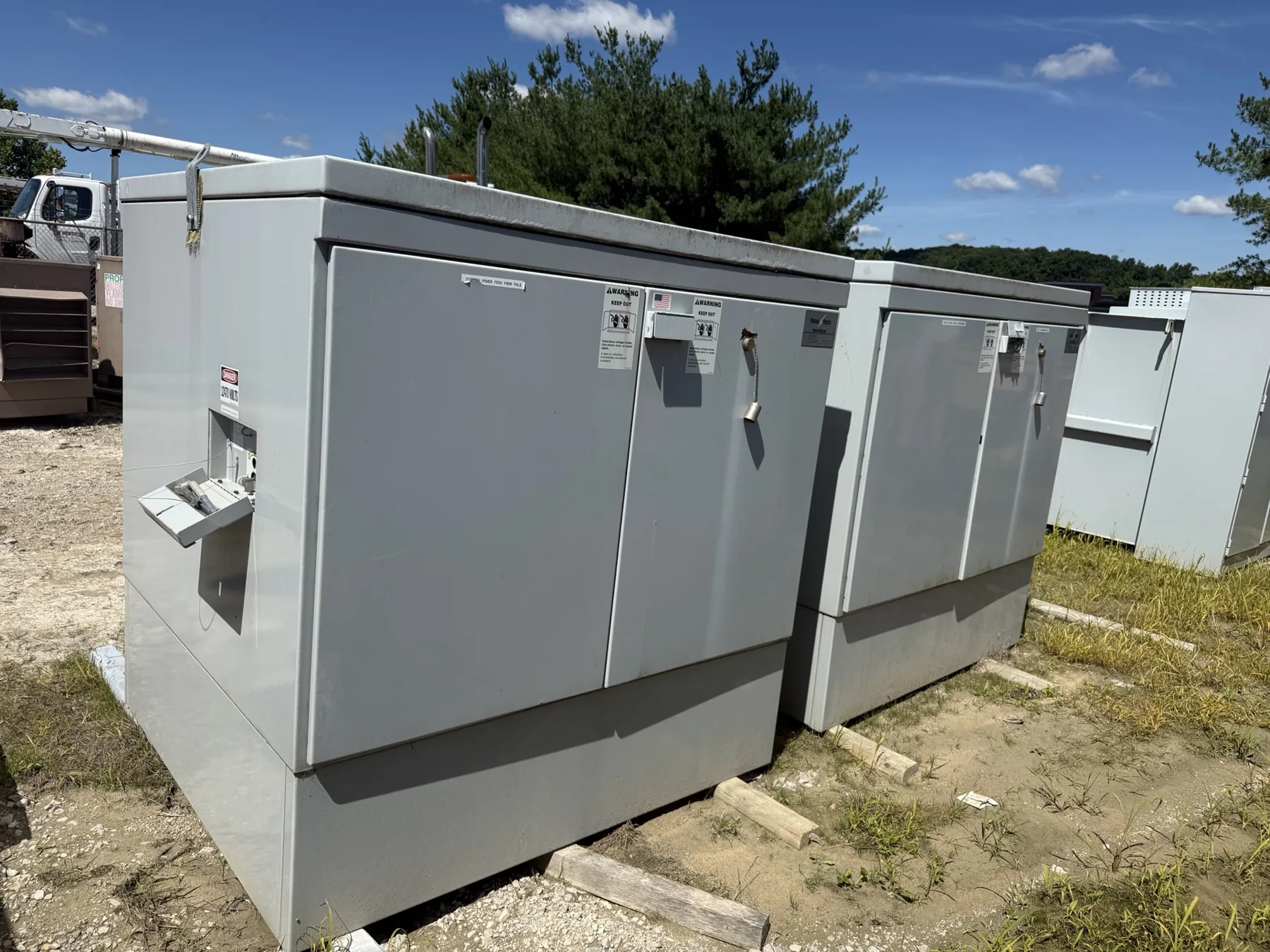
A complete lineup may include several connected sections, so an overview photo can help show its overall configuration and scale. Existing photographs are optional. You may share safely obtained exterior or nameplate views, but do not open equipment, reach inside, or take a picture from a location that feels unsafe. No photo is necessary if it cannot be obtained safely.
If information is incomplete, explain which sections are present and which labels you can read. Mention visible differences between sections or any known additions, but do not create a model number from partial characters. Accurate uncertainty is more useful than a confident guess when the buyer reviews the equipment and decides whether to make an offer.
Explain Access and Pickup Conditions
A practical quote review also considers how the complete lineup can be reached and removed. Describe the building level, doorways, loading area, and any known access limitations in ordinary terms. If you know whether a crane might be needed or whether trucks can approach the loading area, share that information without arranging equipment or services yourself.
The buyer handles and pays for crane service, rigging, loading, freight, hauling, and electrical disconnects. Sellers are not expected to hire riggers, detach equipment, or prepare a shipment. If the route is not yet known, say so and explain what you can observe from a safe location; the buyer can review the available details before discussing next steps.
A pickup route can affect planning because a lineup’s location inside a building may differ from its route to an exterior loading point. Describe stairs, narrow passages, restricted entrances, or other known obstacles, and note whether access rules or scheduling coordination may apply. Do not move equipment or alter the site to make a route easier.
Make a Clear Quote Request
For a useful request, identify yourself as the owner or the person coordinating the equipment review, give the Sunnyvale location, and explain that the lineup is labeled Eaton. Include readable model and catalog markings, visible nameplate ratings, and a description or optional safe exterior photos of the complete lineup. State plainly when any detail is unknown.
Add the equipment’s present status and whatever is known about decommissioning, access, and the possible pickup route. Existing information is enough to begin a review; testing is not required, and sellers should not obtain new information by approaching energized equipment or opening enclosures. If a photo is unsafe to take, simply omit it.
The buyer reviews the information before deciding whether to make an offer, so a quote is not guaranteed. If both sides agree to a purchase, payment is upfront, and the buyer handles the crane, rigging, disconnects, loading, freight, and hauling at its expense. The seller’s role is to share available information and, after agreement, get paid.