THE BUYER'S GUIDE / CALIFORNIA
Sell Used Arc-Resistant Switchgear in Salinas, CA
Coordinate a Facility Change Before Removal
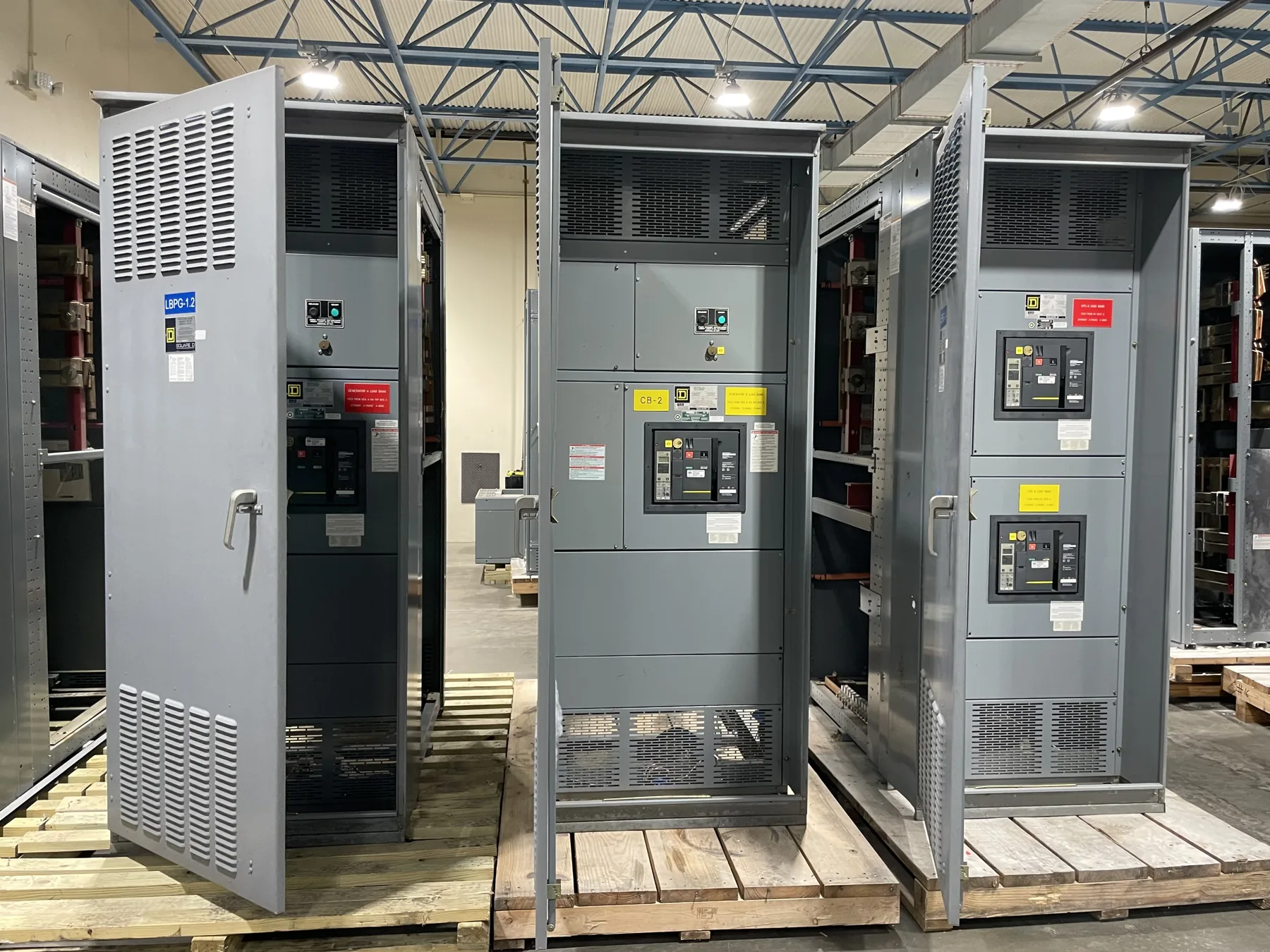
A facility change can leave arc-resistant switchgear surplus while decisions about shutdown, access, and removal are still being coordinated. If you plan to sell used arc-resistant switchgear in Salinas, CA, start by describing the equipment and the expected release conditions. The buyer can review it without requiring the seller to perform electrical tests or prepare the assembly for removal.
The timing of a facility change is useful context, but it should not be treated as a guaranteed pickup date. Share any known schedule, approval process, or access window so the buyer can understand the setting. If the assembly remains connected or its status is uncertain, do not approach it to investigate; qualified personnel handle electrical work under applicable safety procedures.
A quote depends on reviewing the equipment and the information available. The fact that the equipment is described as arc-resistant does not establish a particular rating, configuration, or condition. Clear documentation and a straightforward explanation of what is known help distinguish facts from assumptions and make the initial review more useful.
Identify the Assembly Without Assuming Its Rating
Share the manufacturer and model when those details can be read from existing records or safely visible markings. Documentation that identifies the assembly and its configuration can help a buyer understand what is being offered. Do not infer an arc rating from the equipment’s appearance, an informal description, or a remembered label; report only what records actually establish.
Available drawings, inventories, or maintenance records may explain the lineup and its arrangement. You can state whether those documents are current or whether their relationship to the equipment is uncertain. Existing exterior or nameplate photographs are optional if already available and safe to share. There is no need to open panels, remove covers, or take a photo that would require approaching energized equipment.
Describe visible exterior condition in practical terms and distinguish it from electrical condition, which should not be guessed at or tested for a sale inquiry. The seller does not have to test the switchgear. If information is incomplete, say what is missing. A buyer’s follow-up about documentation or safety is a request for information, not a direction to operate or inspect the equipment.
Explain Release Timing and Access Conditions
For an assembly tied to a facility change, explain whether it is still installed, scheduled for release, or already placed in storage. If approvals are pending, that is relevant to whether and when the asset can be offered. You need not make a removal plan or disconnect electrical service; those tasks are handled by the buyer if a purchase is agreed.
Describe site access and any known loading restrictions, such as a controlled entrance, limited access hours, or a route that may affect equipment movement. Include only facts you know, and note any restrictions imposed by the property owner or facility. The buyer handles and pays for crane, rigging, electrical disconnects, loading, freight, and hauling, rather than asking the seller to arrange those services.
If a release window is tentative, label it as tentative. This helps avoid treating a planning estimate as a commitment and gives the buyer context for review. Electrical disconnects and other electrical work belong to qualified personnel following applicable procedures. Do not approach or open energized equipment to verify its status or make the equipment easier to access.
Provide Records That Clarify Configuration
Documentation is especially helpful when a product description alone cannot establish which assembly is being offered. Share available records identifying the manufacturer, model, and configuration, along with any inventory or drawings that correspond to the equipment. If the documents describe a larger system or do not clearly match the unit, explain that uncertainty rather than assuming they apply.
The buyer may ask about the lineup, visible condition, or known service history as part of reviewing the offer. Answer from records or direct, safe observation, and distinguish between what is documented and what is remembered. Do not remove a door, open a compartment, energize the switchgear, or arrange testing to answer a question. Seller testing is not required.
Mention ownership and who can approve release, particularly when a facility operator, property owner, or other party controls access. This is not a request to disclose unnecessary confidential material; it is a way to establish whether the equipment can be considered for sale. The business buys used and surplus switchgear across all voltage classes, but each item still requires individual review.
Make a Clear Quote Request
A useful request can state that the equipment is arc-resistant switchgear, give the Salinas location, and include the manufacturer, model, and documentation available to identify its configuration. Add what is known about release timing, site access, loading restrictions, and visible condition. If an arc rating or other specification is not documented, leave it unclaimed.
The buyer reviews the equipment and information before deciding whether to make an offer. Making an offer does not itself trigger payment. If a purchase is agreed, payment is upfront. The seller does not need to test the switchgear, arrange a disconnect, or hire a rigging company; the buyer handles and pays for disconnects, crane, rigging, loading, freight, and hauling.
Keep the equipment’s safety status in the hands of qualified personnel. Do not approach or open energized equipment for a photograph or inspection, and do not perform electrical work to prepare it for sale. Existing records and safely available exterior views can support an initial review, but no photo is necessary. A precise, honest description lets the buyer assess what is known without turning uncertain specifications into claims.