THE BUYER'S GUIDE / CALIFORNIA
Sell Used Air-Insulated Switchgear in Stockton, CA
Describe the Air-Insulated Lineup Clearly
A useful description of air-insulated switchgear starts with what can be identified, not a guess about what it may be worth. If you are considering selling used air-insulated switchgear in Stockton, California, note the manufacturer and model only when those markings are readable, and share any available rating information without trying to interpret unclear details.
The lineup’s number of sections helps explain its overall scope. Describe the apparent arrangement, such as the number of connected enclosures and whether the lineup appears complete, separated, or partly dismantled. If you have records that identify the configuration or insulation arrangement, those can clarify the equipment type; do not infer specifications from appearance alone.
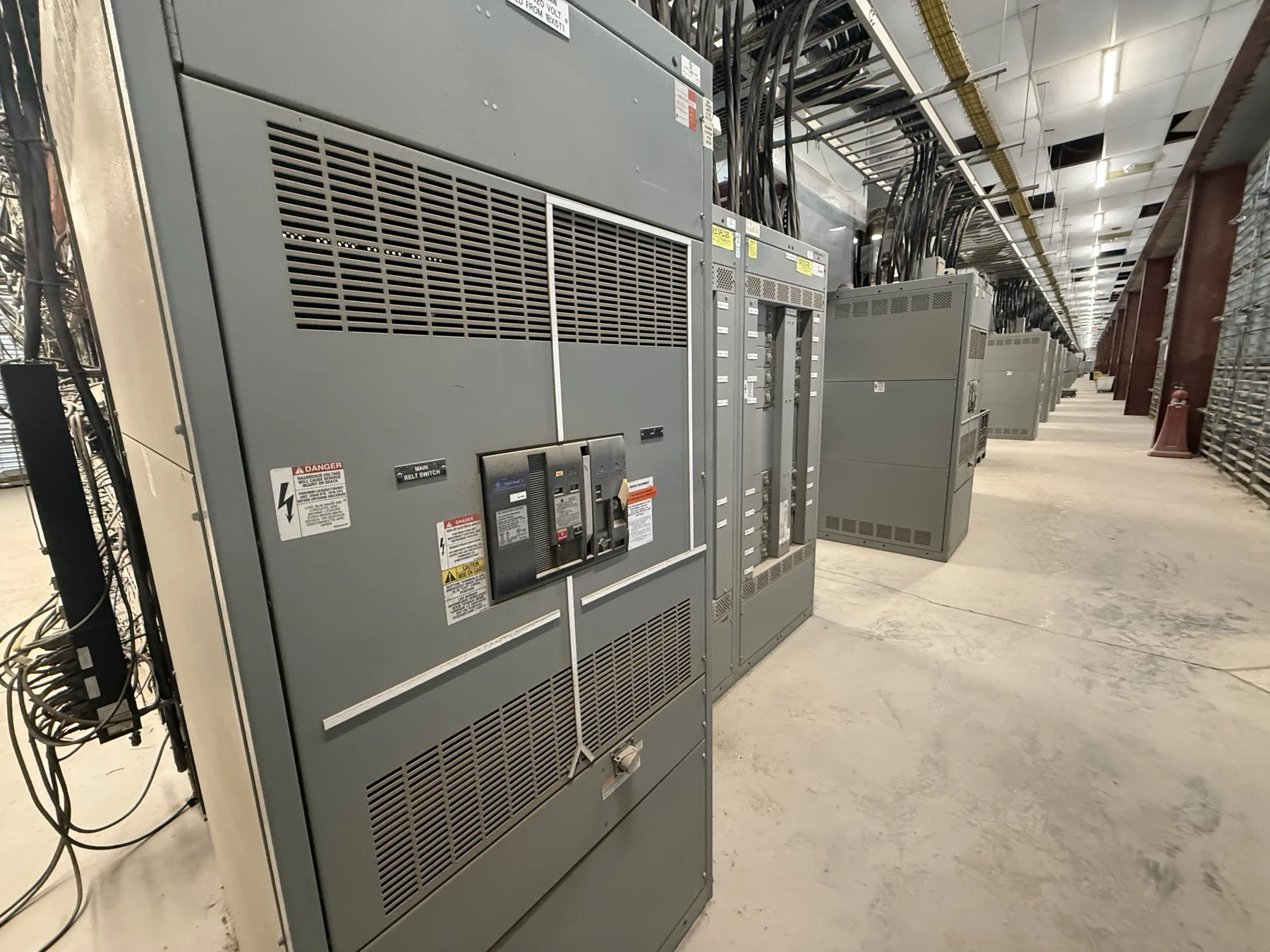
Existing photos can make the initial review more informative. Optional exterior views of the lineup, doors, and readable nameplates may show enclosure style and visible condition. Do not open equipment or approach anything energized to take pictures. If an image would require unsafe access, leave it out; a written description is enough to begin a conversation.
Explain Condition Without Testing
For air-insulated equipment, visible condition and available records provide context, but they are not a substitute for a seller-performed electrical test. Mention observable issues such as missing doors, damaged enclosure panels, corrosion, or sections that are already apart, if known. Keep observations factual and distinguish them from assumptions about internal condition.
Any maintenance, inspection, or service records you already possess may help identify the lineup and explain its history. Share only what is available, including documents that describe configuration or prior work. You do not need to arrange testing or create new records. The buyer reviews the information and equipment before deciding whether to make an offer.
Describe known lifting constraints where possible. For example, note if sections are unusually tall, if access around the lineup is limited, or if a route to the loading area has restrictions. These details help with planning rather than establishing a value by themselves. Do not move sections or remove covers to improve a description; qualified personnel handle electrical work and safe handling.
Plan Around Decommissioning and Access
A planned shutdown or facility change can create a practical point to review surplus switchgear. Explain whether the equipment remains installed, has been disconnected, or is already in storage, but do not perform or arrange electrical disconnects yourself. Qualified personnel must carry out electrical handling under applicable safety procedures, and the buyer handles that work as part of logistics if a purchase is agreed.
In Stockton, a seller can describe the property and access conditions without assuming that the buyer knows the site. Useful information may include whether a loading area is reachable by vehicle, whether doors or corridors constrain movement, and whether a crane may be needed. Share known restrictions and timing considerations rather than promising a route or lifting plan.
The buyer handles and pays for crane, rigging, disconnects, loading, freight, and hauling. That arrangement means the seller does not have to hire a rigging crew or organize transportation. If there are site rules, release windows, or access procedures, explain them early so the buyer can consider them while reviewing the equipment and potential pickup.
Make the Equipment Review Useful
A concise quote request can bring together equipment identity, condition, and removal context. State that the asset is air-insulated switchgear, give the number of sections if known, and include readable markings or existing exterior photos when convenient. Mention whether documents are available and whether the lineup is installed, stored, or partly dismantled.
Be open about gaps in the information. If a rating is unreadable, a record is missing, or the condition inside is unknown, say so rather than estimating. No seller testing is required, and no one should open energized equipment to gather details. A buyer can review what is available and ask follow-up questions before deciding whether to make an offer.
An offer depends on reviewing the equipment and the information provided; a request by itself does not set a price or trigger payment. If a purchase is agreed, payment is upfront. The buyer handles the required rigging and logistics at its expense, while the seller’s role is to provide available details, coordinate access, and get paid once the transaction is agreed.
Request a Quote With Practical Details
When you request a quote for used air-insulated switchgear in Stockton, include a reliable way to identify the lineup and explain when it could be released. State the section count, visible condition, any known lifting constraints, and whether nameplate or configuration records are available. Clear facts help the buyer understand what is being reviewed without requiring a formal equipment test.
If the equipment is part of a larger decommissioning, explain which sections are included and whether related enclosures or components are excluded. Ownership information and any limits on access can also prevent confusion. You can send existing exterior or nameplate views if they are safely available, but no photo is needed when obtaining one would be unsafe.
The business buys used and surplus switchgear across voltage classes, including equipment from decommissioned data centers and shut-down power plants. It makes cash offers and pays upfront when a purchase is agreed. After reviewing the details, the buyer can determine whether to make an offer; if accepted, the seller does not test, disconnect, rig, load, or ship the equipment.